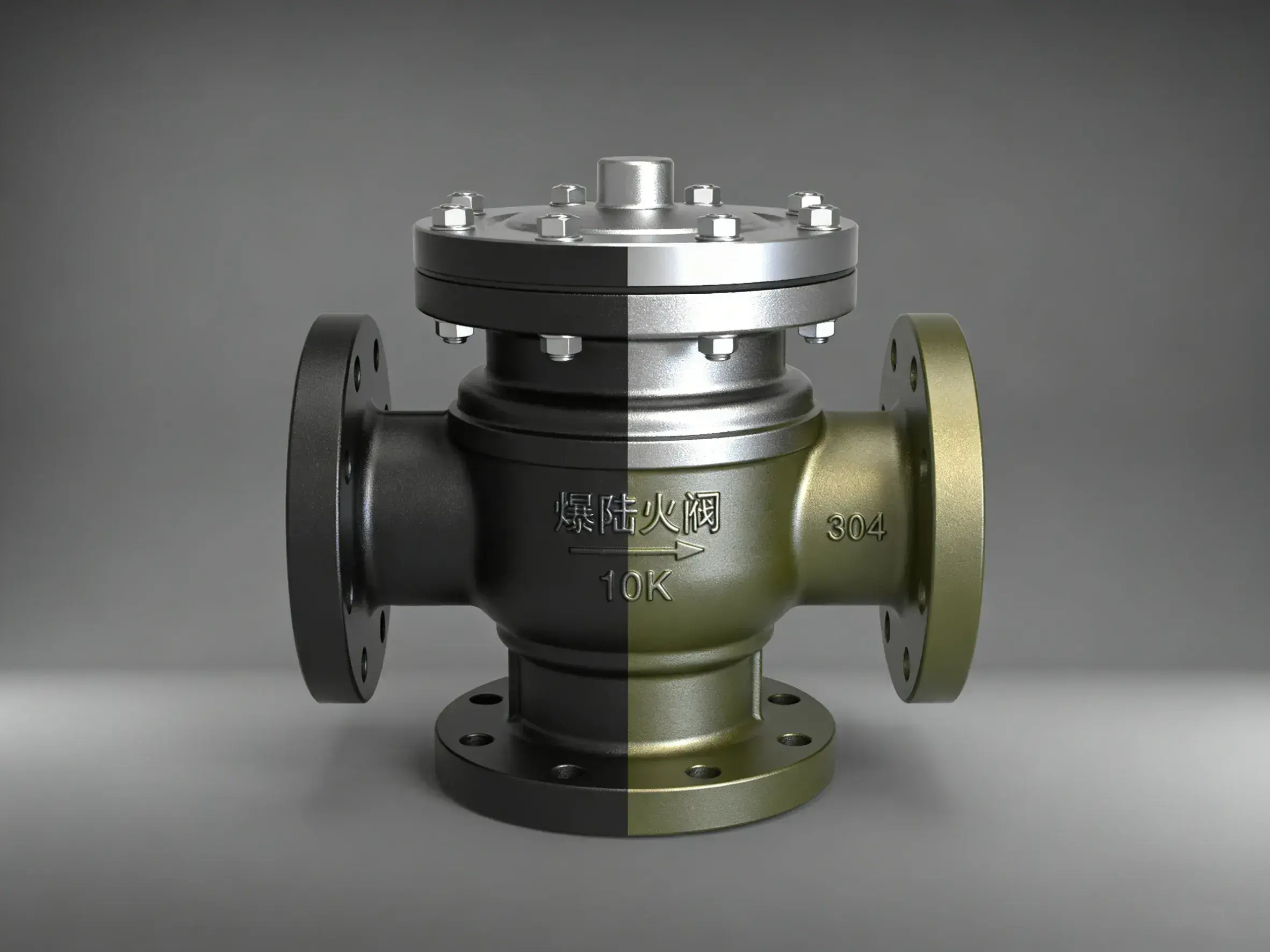
competitive edge giving branded butterfly style control valves sets?
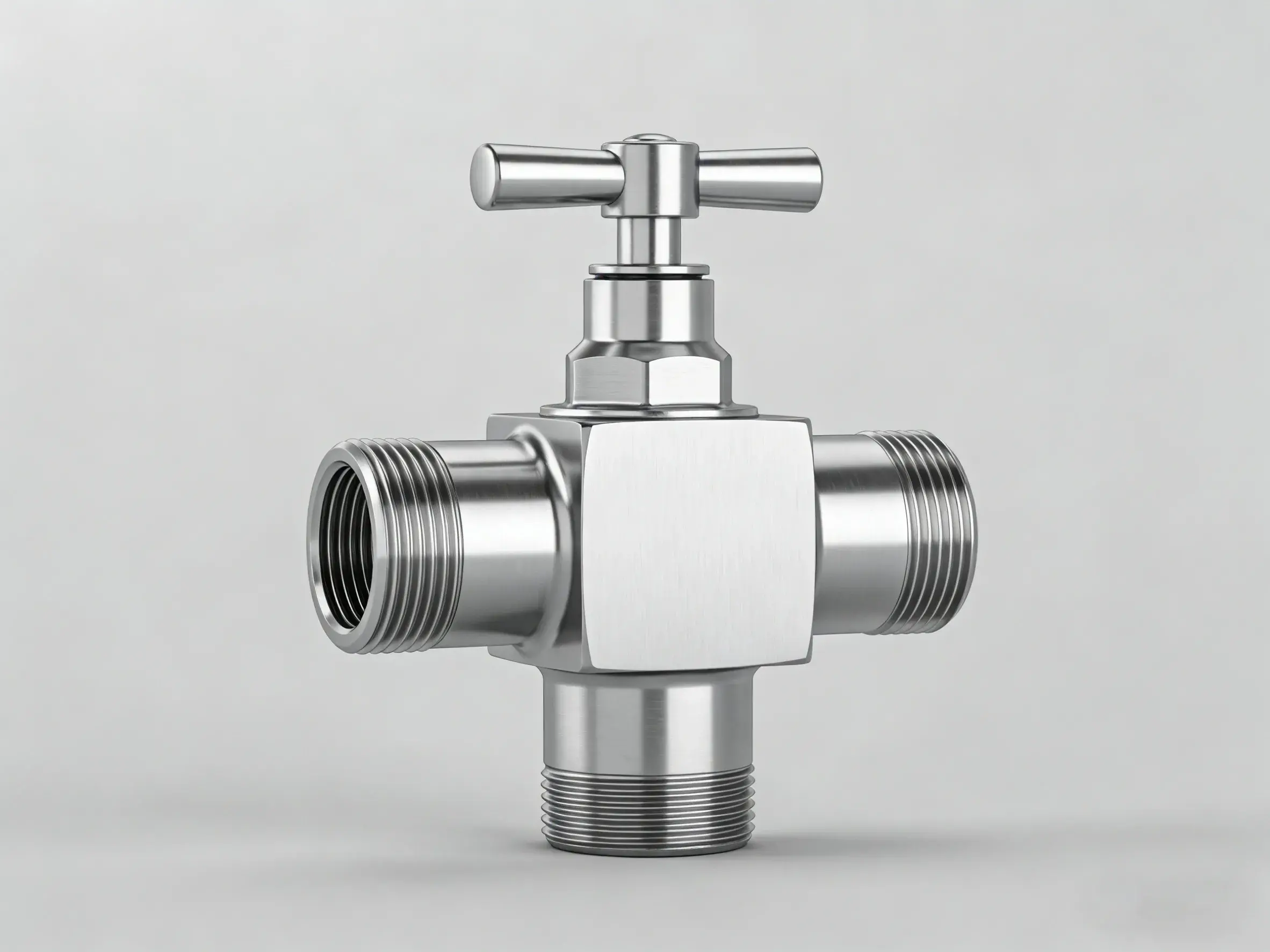
Indispensable industrial valve selection optimizes process efficiency along with system-wide productivity. To ensure smooth functioning, it is necessary to scrupulously select valves that correspond to application specifics.
A comprehensive valve selection guide should consider a variety of criteria such as liquid kind, pressure force, heat levels, flow capacity, and control demands. In addition, establishing the needed valve operation model such as pneumatic, hydraulic, or electric is crucial.
Extensive Survey on Butterfly Valve Effectiveness
Evaluating primary effectiveness measures for butterfly valves is critical for technicians aiming for trustworthy and productive system function. The investigation highlights significant factors shaping butterfly valve performance, such as material qualities, working circumstances, and analytical methods. By comprehensive investigation of these elements, this report intends to deliver an all-inclusive insight into contributors to butterfly valve functionality.
- Configuration elements significantly affect comprehensive effectiveness
- Constituents of valve framework strongly determine resilience amidst multiple working contexts
- Flow impedance represents a critical factor reviewing butterfly valve operation, chiefly when facing substantial flow loads
Usage of Ball Valves in Elevated Pressure Situations
Ball valves appear as solid picks for directing heightened pressure duties. Their straightforward construction features a rounded sphere with an opening that spins to regulate liquid movements. This design efficiently manages elevated pressure circumstances due to its robust closure.
In industries such as oil and gas, ball valves play a critical role in handling high-pressure pipelines. Their hardiness identifies them as adapted to withstand the pressure of increased pressure content.
- In addition, ball valves provide speedy activation, supporting timely flow management.
- Found in assorted elements and proportions, ball valves adapt to fulfill particular prerequisites of multiple intense pressure scenarios.
Identifying Various Valve Varieties and Their Capacities
In the realm of fluid dynamics, valves play a crucial role in controlling the flow of liquids or gases. Picking the correct valve kind is vital to secure peak performance. Valves arrange based on their activity principle, composition, and utilization. General valve kinds contain gate, globe, check, ball, and butterfly types. Each type exhibits unique characteristics, making them suited for specific applications. For illustration, gate valves control flux entirely, while globe valves ensure accurate modulation of amount. Check valves stop undesirable return flow, securing single-direction transit. Ball valves deliver rapid and consistent on/off switching, whereas butterfly valves serve effectively in large volume operations.
Improving Flux Management by Industrial Valves
Managing flow rates constitutes a vital factor in varied industrial operations. Valves serve a central function controlling fluid and gas movement inside infrastructures. Utilizing correct valve models merged with deliberate regulation methods enables companies to improve production efficiency, protection, and quality assurance.
A fundamental element in enhancing fluid control consists in grasping multiple valve applications. Different valve designs are suited for specific flow characteristics, pressure ranges, and operating environments. Especially, globe valves continually assist in flow modulation, but ball valves dominate in rapid shut-open procedures.
Ensuring meticulous flow administration demands assessment of elements including valve proportions, actuation means, and regulating systems. Utilizing modern control devices, including programmable logic systems, enables computerized flow supervision and modification, boosting operational output.
Scheduled inspections of industrial valves are critical for limiting failures and maintaining precise flux handling. Detecting prospective problems promptly can reduce expensive stoppages and guarantee uninterrupted functioning of vital procedures.
Upkeep Guidelines for Manufacturing Valves
Scheduled servicing of industrial valve assemblies is important for preserving seamless and consistent operation in diverse workplaces. A thorough servicing schedule has to be developed, containing recurrent evaluations to identify uncertainties before major disruptions take place. Lubrication of valve components according to the manufacturer's recommendations can significantly extend their service life and reduce friction. On top, maintaining valves cleared of debris facilitates effective productivity.
An all-encompassing upkeep plan must incorporate logging of every procedure related to valves, covering timelines, staff participants, and component substitutions. This meticulous record-keeping helps track valve performance over time and facilitates informed decision-making regarding future maintenance needs.
Effect of Automation on Valve Performance
The introduction of automation has altered how valves perform within multiple fields. Utilizing automated controls allows operators to optimize valve management, reducing human involvement and boosting process efficacy. Mechanized valve operation furnishes various merits including superior accuracy, trimmed outages, and reinforced safety standards
- Analytics devices serve key functions within automated valve networks, reporting immediate details regarding valve alignment. Control software processes feedback to automatically govern valve parameters
- SCADA platforms are regularly utilized to coordinate automated valve functions, supporting complex management algorithms. Such modules track valve health, flag concerns, and administer corrective responses
Also, electronic valve regulation provides advanced process oversight. With accumulated valve metrics, managers acquire crucial knowledge to enhance system productivity and diminish expenses
Safety Measures During Industrial Valve Installation
While installing industrial valves at facilities, rigorous protection procedures are crucial. Ignoring such protective steps may trigger hazardous mishaps, conceivably bringing equipment failure and particularly employee injuries. A detailed danger analysis ought to precede setup to recognize latent risks and enforce proper preventive actions.
Validate that all team members participating in fitting processes are thoroughly prepared and authorized for valve operations and safety regulation observance. Create a framework for frequent assessments aimed at discovering degradation or faults in valve assemblies. Maintain accurate records of all installations, inspections, and maintenance activities for future reference
- Respect required commerce benchmarks and policies regulating valve fitting and handling
- Utilize appropriate tools and equipment designed for industrial valve installations
- Engage collaboratively with all associates participating in the assignment to maintain protected and efficient implementation
Valves: Principal Units in Manufacturing Environments
Amidst the complicated landscape of manufacturing/process/industrial environments, valves function as indispensable units. Their duty includes governing fluid flow in advanced architectures, upholding consistent productivity and safety. Valves apply widely within countless functions, such as managing thermal and pressure conditions together with delivering goods
- Several valve classes appear, each shaped to produce precise operations. Common representations cover gate, ball, and globe valves
- Valve selection evaluates aspects like volume flow, pressure intensity, temperature range, and fluid composition
- Secure valve working represents an essential factor in process industries to minimize disruptions and protect product excellence
Ongoing surveillance of valves helps optimize endurance and prevent failures
Leading-Edge Elements in Valve Design and Manufacture
The growth of valve designing and manufacturing largely associates with extensive application of progressive compositions. These modern compositions grant several refined attributes over traditional picks, facilitating makers to assemble more powerful valves. Representative cases embrace strong ceramic composites chosen for durability in tough settings, paired with slimmetal mixtures maximizing capacity while lessening load. The adoption of these cutting-edge elements generates valves with refined sealing performance, prolonged operational life, and fortified resistance against corrosive effects
Valve Movement Mechanisms: A Comparative Assessment
{This investigation delves into the diverse valve actuation mechanisms prevalent in modern engineering applications|This exploration examines the varied valve drive technologies common in high-pressure valves contemporary engineering uses|The study analyzes the mixed valve triggering systems typical in current engineering projects|This research evaluates the assorted valve motion methods widespread in advanced engineering scenarios|The survey inspects the multiple valve control techniques existing in up-to-date engineering solutions|This review considers the assorted valve operating mechanisms encountered in present-day engineering environments|This analysis explores the various valve activation systems found in progressive engineering implementations|The inquiry scrutinizes the heterogeneous valve act