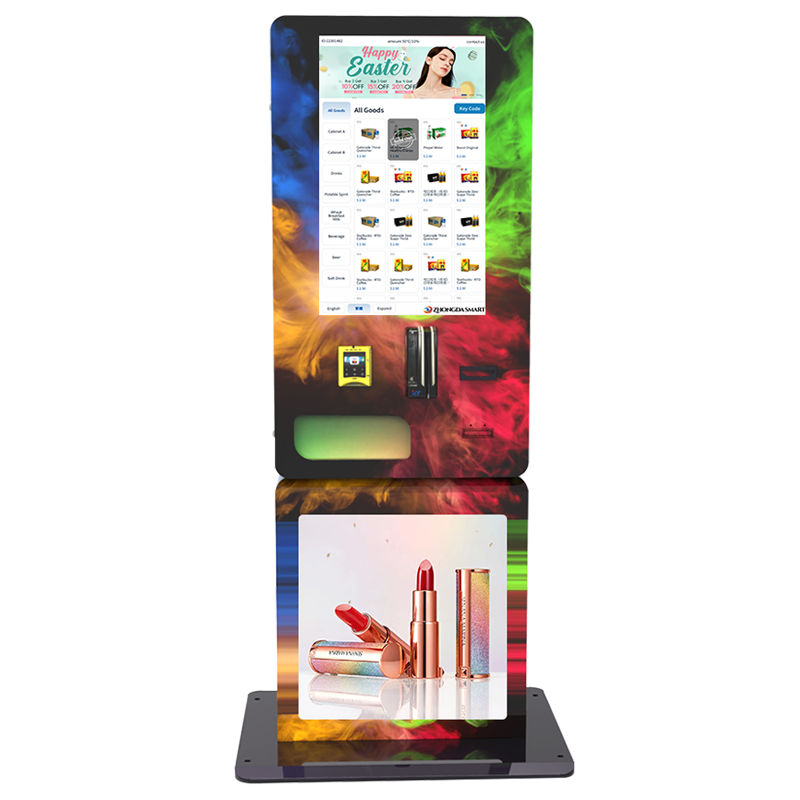
customer experience centric petrol station age gate machine?
The emergence of age assessment automated kiosks heralds a substantial alteration in the manner in which controlled commodities, like intoxicants, are dispensed. These groundbreaking systems, utilizing sensor-based identification methods – exemplified by facial recognition or ID examination – promise to lessen the exposure of minor obtaining and grant a bolstered alternative to traditional store methods. While issues remain regarding protection and integration impediments, this technology could transform the industry of age-specific articles.
Vending Machines Now Confirm Age: What You Require Be Aware Of
Fresh technology is remodeling the self-service machine experience, with many now outfitted with age ascertainment systems. Traditionally, purchasing age-restricted items like chosen beverages or nibbles from these gadgets was a problem of trusting users. Now, mechanisms ranging from facial mapping to mobile ID scans are being implemented to secure that purely individuals of permitted age are allowed to make an individual purchase. The indicated change demonstrates a noteworthy move toward following regulations and limiting underage access.
Age Confirmation Retail System Technology Explained
Modern electronic tool technology is employing sophisticated age authentication processes to limit access to age-restricted merchandise. These systems often employ a variety of processes, including optical scanning of government-issued ID cards, facial recognition technology, and even biometric readings. Customarily, a customer shows their validated identification or an alternative accepted form of identification. The tool then examines the provided data against a system to verify the individual's maturity. Here's a quick digest at common methods:
- Card Reading: The system collects the figures from the ID.
- Facial Authentication: Engages facial characteristics to align the person's persona.
- Vein Pattern: Relies on singular biological characteristics.
The Rise of Age-Gated Vending: Strengths and Concerns
The heightened prevalence of age-gated vending machines is evoking both fervor and anxieties. These pioneering systems, utilizing identity recognition or authentication scans, are created to reduce access to specific products like spirits, tobacco, or therapeutics. Advocates highlight potential pros, such as decreasing underage procurements and amplifying compliance with ordinances. However, cynics raise serious inquiries regarding privacy, exactness of the tools, and the potential for subversion by motivated individuals. Furthermore, the investment of introducing and supporting such intricate infrastructures remains a considerable challenge for many organizations.
Age Test Vending Dispensers: Are They Coming to Your Locality?
The forecast of vending platforms requiring proof of age is rising in adoption , and it's imaginable you'll in due course encounter them in your local area. These advanced systems, engineered to block access to selected products – visualize alcohol or of-age goods – use different processes like facial analysis or mobile software identification. While defenders stipulate they are intended to reduce underage access, worries remain about data security and the likely for malfunctions. The rollout of these devices is now being considered in numerous cities across the countryside, so remain aware!
How Age Verification Vending Machines Work – A Detailed Look
Age verification dispensing gadgets utilize a set of processes to verify that buyers are of required age. Many use ID reading technology, where a camera receives a sanctioned authorization. This snapshot is then dispatched to a archive to correlate it against government records. Alternatively, some units might request the operator to offer their date of arrival through a interface, which is subsequently checked against a like repository. Furthermore, facial mapping is rising more widespread, although this approach raises protection reservations for many. Ultimately, the goal is to halt the transfer of age-restricted goods to nonadult users.
Identity Check Vending Systems: Addressing Policy and Philosophical Issues
The ascending deployment of age certification vending systems raises weighty legal and philosophical issues. These advanced technologies, designed to deliver items only to authorized users of lawful age, present challenges related to data privacy, foreseeable for discrimination in classification methods, and the overall governance of operators . Reservations have been expressed about the exactness of digital analyses, particularly regarding likely misidentification and age verification vending machine its outcome on citizens.
- Private safeguarding is a crucial factor .
- Digital prejudice must be conscientiously addressed .
- Open regulations are essential to supervise their implementation.
More Than Alcohol: Diversifying Utility for Age Verification Vending
Age validation apparatuses initially received prominence because of curbs on alcohol provision, but their scope extend far past that primary task. Increasingly, these implementations are being employed for validating age for reaching a comprehensive set of items, like pharmaceuticals, personal care, gaming-related tickets, and even limited digital content. This evolution represents a important avenue for dealers and establishments seeking to achieve compliance while enhancing the user experience.
This Future regarding Retail? Consumer Verification Electronic Machines Obtain Traction
The advancing retail field is treating a remarkable shift, with age verification apparatuses rapidly gaining traction. These innovative machines, allowing for secure alcohol, tobacco, or mature content purchases, are poised to revolutionize the customer experience. Retailers are increasingly exploring this solution to solve regulatory commands and increase purchaser safety, potentially cutting the obligation on store team members and refining the billing process.