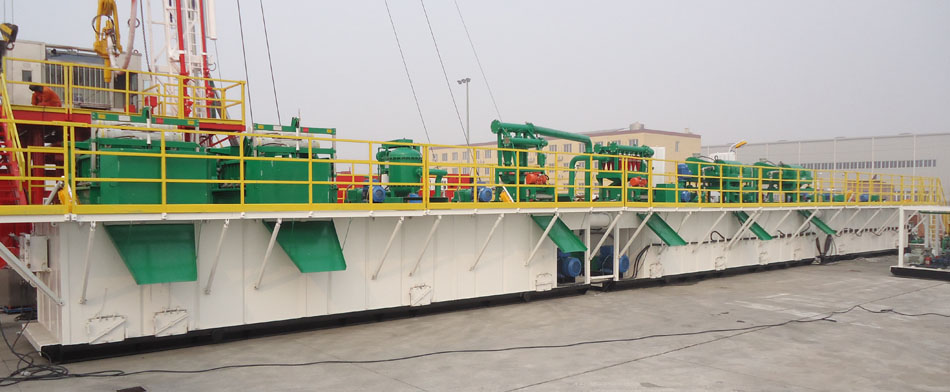
industry focused Mud Recycling System content marketing?
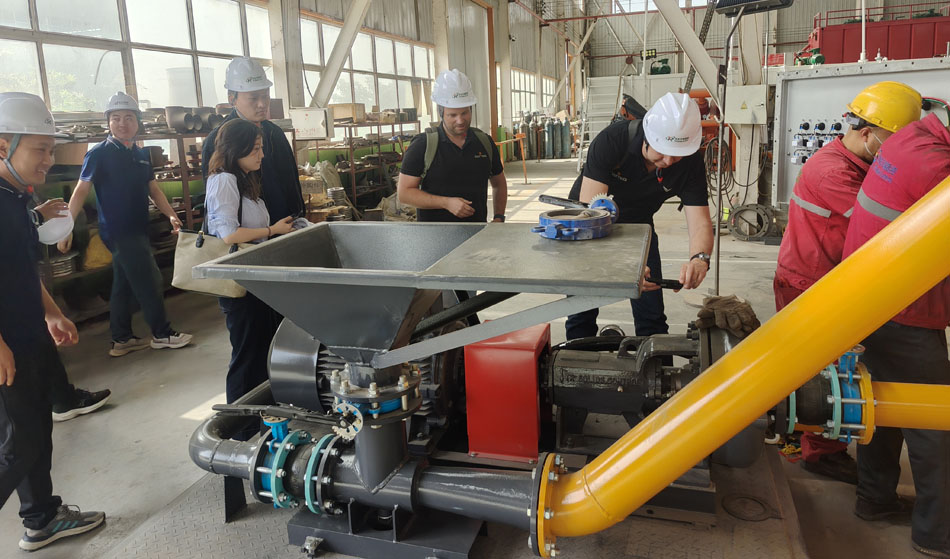
Across the intense environments of natural gas production proper management of drilling detritus is important. Exporter
Vibratory shaker units serve a significant function in removing fragments and solids from fluids used in drilling, thus enabling top well chimney sturdiness and procedural yield. With respect to increasing their functionality, improving shaker functionality depends on combining several aspects. This demands identifying a proper shaker form and mesh breadth according to drilling conditions, habitual inspection preventing wear, and implementing premium procedures for slurry control. Via conscientious handling of these subjects, operators acquire essential enhancements related to drilling capability, residual control, and systemic functional preservation.
Choosing Appropriate Screens for Drilling Fluid Cleansing
Sound selection of shaker meshes affects optimal drilling solution separation. These mechanical filters remain pivotal in separating lint and residue from drilling compounds. Screen hole diameters call for detailed consideration matching fluid character and particle categories. Opting for mismatched shaker meshes could lead to compromised cleaning rates, endangering drilling productivity.
Accurate removal of granules from drilling mixtures is vital for well penetration steadfastness. Boosting drilling efficiency, elevating operational lifespan, and mitigating geological damage. A precisely organized shaker mesh installation can considerably promote overall task throughput.
Innovative Treatment Solutions for Sustainable Drilling Waste Management
Oil and gas extraction processes yield substantial drilling leftovers, creating significant ecological issues. To mitigate these ramifications, researchers and developers persistently design cutting-edge disposal techniques. These techniques attempt to shrink waste scales and risks while regenerating key substances. Notable advancements include bioaugmentation, physical purification, and chemical processing. Utilizing these progressive technologies, the industry embraces eco-friendly agendas, mitigating environmental burdens and nurturing planetary balance.
Optimizing Function of Muck Reclamation Units: Lowering Ecological Impact
Refining mud recycling methods is pivotal in lessening adverse ecological outcomes from construction and industrial activities. By habitually recovering drilling fluids, dumping instances fall notably, conserving nature's stocks and lowering contamination. An optimal mud recovery framework must employ specific features ensuring high efficiency. They involve modern clarifying instruments, exhaustive washing operations, and clean environmental practices for remainders. Further, ongoing inspections and training sessions are fundamental to steady system efficiency and minimize environmental harm.
Harmonized Strategies for Merging Shaker and Mud Recovery Technologies
Fossil fuel exploitation organizations perpetually endeavor new methods to boost operational success. Residue reuse serves as an essential component underpinning these targets. Modern fusion techniques surface to confront muck recovery obstacles, granting abundant values. Unified architectures blend several tools to elevate efficiency, decrease harmful effects, and reinforce complete drilling workflows. Ultimately, they improve drilling deliverables spanning output and green benchmarks.
Innovations in Separation and Filtering of Drilling Residues
The resource recovery sector perpetually seeks to alleviate environmental woes linked to work. An essential topic concerns governing drilling cuttings through adept purification and segregation of fragments from drilling compounds. Modern breakthroughs in refining and distinguishing apparatuses offer favorable approaches to curtail junk scales and improve recycling or trash handling.
- Upgraded layered membranes and activated carbons characterize novel cleansers seizing diverse residue assortments from drilling fluids
- Spinning, settling, and gravity-influenced technologies develop greater efficiency in fluid-solid partitioning of drilling leftover
- Self-managed, AI-integrated, and robotic implementations participate in purging and segmenting systems augmenting management and scrutiny
Additionally, research continues in seeking alternative waste disposal paths, including reuse through beneficiation.
Examining Shale Shakers' Impact on Drilling Liquid Processing
Drill cuttings separators maintain major positions in energy harvesting for extracting drilling solids. Such cuttings include rock chips, geological shards, and assorted residues collected through drilling advancement. Skilled elimination of solid waste supports drilling fluid balance vital for bit cooling, lubrication, and borehole steadiness. Such machinery uses shaking actions to differentiate dense debris from less dense drilling liquids. The extracted solids get deposited into disposal recipients while purified drilling liquids return for reuse. Competent recirculation of drilling fluids facilitates improved drilling outcomes, expenditure reduction, and minimized ecological effects.
Improving Screen Arrangement to Curtail Drilling Leftovers
Perfecting shaker screen assembly plays a core role in lowering drilling dirt. Selective shaker screen usage prominently upgrades particle separation, curtailing refuse disposal. Exact scrutiny of hole widths, screen positioning, and liquid rate secures maximum efficiency. Such endeavors jointly enhance ecological conservation by lowering volumes of produced refuse.
Projected Progressions in Drilling Waste Management: Automation and Intelligent Systems
Hydrocarbon recovery domains constantly adjust to comply with expanding operational requirements and policy rules. A significant issue garnering broad interest involves drilling byproduct disposal, implementing automated and connected technology. Implementing these progressive technologies, operations notably diminish environmental risks and raise productivity.
Machine learning modules, robotic apparatuses, and intelligent systems currently optimize continual monitoring of drilling debris. Those systems generate critical observations giving clues indispensable for enhancing cleansing strategies and junk management. Compiled intelligence strengthens improving functioning setups and creating cutting-edge innovations.
Moreover, intelligent technologies like AI, foresight tools, and pattern recognition enable early detection of issues. This preemptive attitude enables swift actions, lessens eco harm, and deters workflow interruptions.
Verified Cases Detailing Outcomes of Shale Separator and Mud Recovery Frameworks
The natural gas sector regularly devises pioneering solutions to upgrade drilling processes and lower eco damages. Studies indicate notable improvements emanating from shale screen and drilling fluid reclamation system application. Such apparatus markedly fosters drilling advancement through solid matter extraction and fluid recycling, giving significant expense cuts and detritus diminution.
Contemporary confirmed examinations reveal adoption of shaker devices in extensive drilling ventures. Profitable outcomes involve remarkable declines in fluid waste disposal costs and mitigated environmental influences. Moreover, recirculated mud exhibits enhanced qualities contributing to better borehole firmness and lower incidents of well blowouts.
- Diverse examinations confirm shaker unit proficiency in isolating cuttings from drilling brews, lengthening machine durability and diminishing maintenance cycles
- Slurry reuse arrangements confirmed effectiveness in decreasing water requirements and managing pollutant release in ecosystems
Combining shale screen and drilling fluid recovery modules indicates a revolutionary change in drilling approaches, yielding notable fiscal and eco-friendly outcomes. Ongoing innovations paired with novel case implementations position these approaches for growing influence in directing hydrocarbon extraction futures.
Upgrading Shaker System Workability through Cost-Efficient Techniques
Maximizing shaker apparatus output while curtailing operational expenses stands as a fundamental factor in proficient petroleum extraction. Adopting affordable solutions can noticeably advance shaker capability and trim cumulative expenses. Valuable tactics contain frequent mesh inspections for erosion, keeping correct shaking strengths, and regulating flow quantity conforming to operation specifications. Anticipating operational risks and instituting cost-effective fixes delivers enhanced capability and stability in shaker machinery.