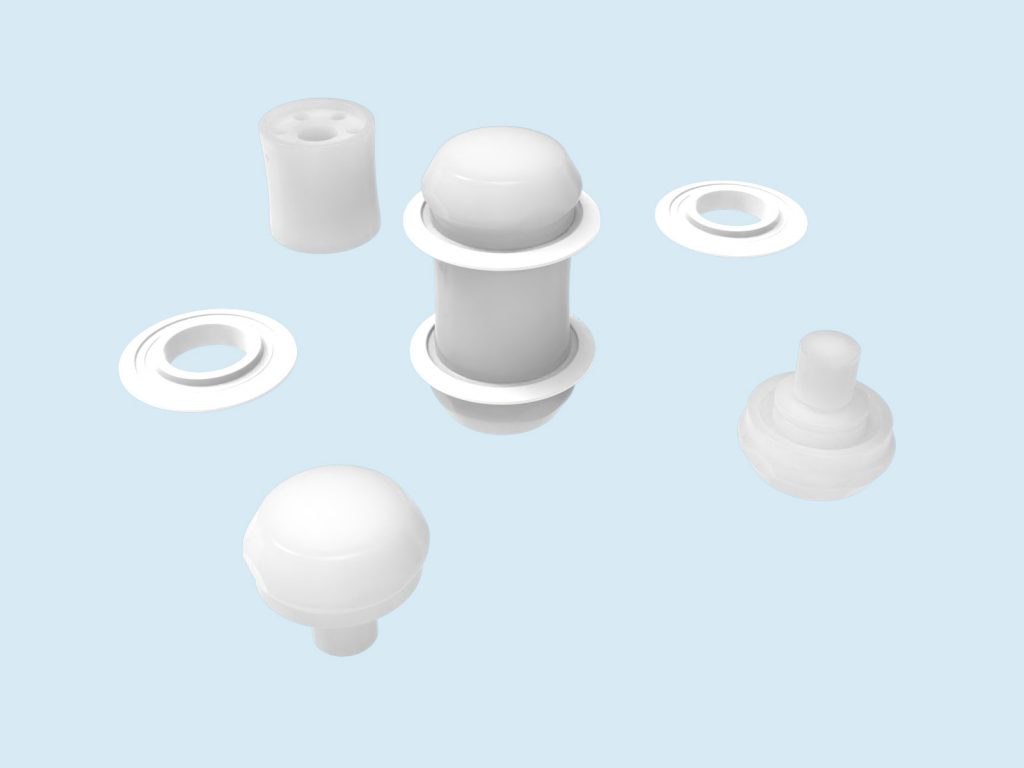
intuitive use sip linked sanitary pipeline pigs routines?
Amidst the stringent specifications of the edible goods manufacturing trade, ensuring peak decontamination within conduits is vital. Orthodox cleansing techniques often lack effectiveness in securing the compulsory degree of sterility. This is where state-of-the-art pigging apparatus acts. These devices are manufactured with thorough attention to detail, applying certified matter and coatings that meet the highest governance frameworks.
Employing a combination of methods, pipeline cleaning devices effectively remove contamination from channels, ensuring a uncontaminated distribution. This methodology offers a budget-friendly solution for maintaining the soundness of nutrient processing systems.
- Merits of inline cleaning technologies include:
- Enhanced sanitation levels
- Reduced risk of contamination
- Elevated material rank
- Profit enhancements
Hygienic Pigging Systems
Within manufacturing sectors, maintaining purity within pipelines is necessary. Corruption can undermine goods caliber and even lead to liabilities. Gratefully, hygienic pigging systems have emerged as a credible rescue for achieving top toxic-free conditions. These platforms utilize exclusive "mechanisms" – shaped - devices that are inserted through lines to collect residual material and remnants. By harnessing durable materials and adhering to harsh sanitation regulations, sanitation pig apparatuses secure thorough pipeline sanitation.
- Besides, these platforms furnish a price-efficient means for securing pipeline stability.
- Their integration can significantly lessen downtime and maintenance expenses, ultimately aiding to improved operational capability.
When branches advance, the appetite for pigging apparatuses will only escalate. These methods represent a critical aspect in delivering the fabrication of risk-free, premium materials while promoting nature conservation.
Cleanliness and Monitoring Solutions for Sanitary Pipelines
Maintaining the strength of purity conduits is essential to providing public health and risk mitigation. Consistent monitoring are critical for blocking adulteration, raising functional duration, and minimizing disruption costs. Pipeline pigs serve this purpose. These innovative instruments offer a adjustable solution for examining sanitary lines, providing a comprehensive and successful method of enhancing process productivity.
- Intelligent cleaning devices are typically modular in configuration, allowing them to move across elaborate corners within clean halls with ease.
- They can be equipped with various accessories depending on the exact need. For example, cleaning pigs may remove buildup while checking mechanisms are outfitted with viewers to discover potential issues such as decay or blockages.
- Deploying pipeline pigs is a straightforward process, often requiring minimal disruption to operations.
By utilizing the power of pipeline pigs, industries such as pharmaceutical can improve the productivity and dependability of their hygienic pipelines, ultimately leading to increased safety.
Ensuring Pipeline Purity with Sanitation Cleansing Tools
Executing solid product purity measures is vital within the petroleum sector. cleaning devices, play a instrumental role in supporting this target. Dedicated cleaning pigs, optimized to handle sensitive ingredients, effectively remove particles and curb the risk of product adulteration. These specialized pigs are made from resilient components, ensuring strength even in tough conditions.
- Timely pigging actions improve to the overall stability of your systems.
- Outcomes include improved product quality.
By deploying pipeline sanitation tools as part of your operational protocols, you can lessen adulteration chances and safeguard the wholesomeness of your critical materials.
Process Integration Techniques for Sterility Maintenance in Pharma
Within the strict domain of drug production, guaranteeing impeccable cleanliness is vital to affirming uncontaminated batches and soundness. Line cleaning techniques play a fundamental role in this task by reliably removing residual particles from process lines between series. This process involves using a puck, a specially designed apparatus, to force cleaning compounds through the lines. By thoroughly purging and rinsing the infrastructure, pigging helps restrain cross-contamination and confirms that each group is assembled in a sanitized surrounding.
- Utilizing pigging procedures into processing setups facilitates overall cleanliness and decreases the risk of item defilement.
- Deciding the appropriate pig type and cleaning chemical is imperative for effective removal of residual compounds.
- Supervising pigging tasks assures proper execution and helps identify any potential concerns.
Fundamental Pigging Requirements in Dairy Manufacture
Among the vital dairy processing sector, preserving unblemished neatness is necessary. Milk-derived products are highly susceptible to tainting, and even trace amounts of harmful organisms can result in serious illness threats or product recalls. Sanitary pigging protocols, therefore, play a vital role in delivering the harmlessness and grade of dairy consumables throughout the entire production process.
- These setups effectively eliminate residual material from conduits and machinery, preventing cross-contamination and buildup of potentially harmful elements.
- Scheduled pigging activities help maintain the integrity of the production environment, minimizing the risk of product defects.
- By advancing thorough hygiene and cleansing, pigging mechanisms contribute to a more robust dairy processing process.
Besides, modern pigging solutions often feature automated management for heightened productivity. This facilitates manufacturers to maintain strict hygiene protocols and assemble repeat excellent dairy substances, conforming to regulatory obligations and customer demands.
Safeguarding Product Purity via Sanitary Pipeline Pigging
Successful inline pigging functions are indispensable for guaranteeing result fidelity in sanitization-focused fields. A well-executed pigging plan helps to remove extraneous matter from the channel, reducing cross-contamination and validating the provision of quality materials. By applying rigorous sanitary practices throughout the pigging routine, producers can curb the risk of material corruption. This includes the careful determination of pig makeup, the use of sanitary cleaning agents, and thorough pipeline review before and after pigging.
- Additionally, trained personnel should manage all pigging operations in a managed environment to prevent the incorporation of extraneous contaminants.
- Compliance with established sanitary protocols is paramount for upholding product integrity and observing regulatory standards.
Lowering Cross-Contamination Risks with Dedicated Sanitary Pigs
Within gastronomic manufacturing, securing cleanliness and minimizing cross-pollution are primary issues. Tailored pipeline pigs play a vital role in delivering these objectives by mitigating the spread of harmful pathogens throughout different domains of the farm. These skillfully made pigs efficiently detect and take away waste detritus, stopping their accumulation and subsequent potential for adulteration. Also, their activity can help to disrupt the growth of harmful microorganisms by managing the overall microbial conditions.
- Multiple studies have demonstrated the effectiveness of sanitary pigs in decreasing cross-contamination risks.
- They are particularly valuable in treating waste in locales hard for usual decontamination.
It must be acknowledged that the implementation of a hygienic pig scheme should be done systematically and in cooperation with qualified authorities. This promotes correct integration into standardized farming processes and raises the payoffs for both animal and human health.