Is concrete fiber ready to replace traditional reinforcement?
Understanding the value of fiber reinforcement is necessary for advanced development technology. This document presents a detailed evaluation of various sorts of substance – including metallic fibers, polymer fibers, and biological fibers – and their footprint on the concrete's performance. We are going to explore themes such as strand proportion, batch ratios, plasticity, and the attained material features of the fiber-modified concrete. In addition, directions on planning considerations and regular challenges will be investigated to guide consultants in efficiently employing fiber-infused concrete in diverse projects.
Opting for the Ideal Cement Fiber: A Outcome Assessment
Choosing the correct cement fiber for your venture entails a detailed assessment of ready varieties. Man-made reinforcements habitually yield increased shock and abated splitting, while wire reinforcements lead in heightened pull fortitude. Conclusively, the preferred ingredient rests on the specific effectiveness demands and capital caps of the building venture.
Synthetic Elements in Building
Polypropylene materials are commonly applied into construction mixes to augment efficiency. These small filaments effectively lessen cracking and boost toughness of the achieved structure. Customary applications cover surfaced surfaces, spray-applied concrete, and precast pieces, where heightened lifespan is imperative.Micro-fiber Reinforcement: Strengthening Structure Strength
Current research demonstrate that introducing micro-fiber enhancement throughout cement dramatically raises its general strength. These microscopic synthetic strands operate as subtle stabilizing parts, linking slight ruptures prior to they spread and produce to substantive damage. This technique presents a beneficial alternative for extending the usable term of fabrication operations.
Reinforced Identifying the Correct Method
Selecting this best mix fiber type is vital for ensuring expected functionality in any operation. Standard fiber types include alloy fibers, artificial fibers, and green fibers like abaca. Solid fibers offer superior tensile strength, while polypropylene fibers primarily enhance impact resistance and reduce cracking. Conclusively, the chosen fiber fluctuates on unique project standards and funding boundaries.
Specialist's Toolkit to Man-made Material Mixture
Polypropylene strand concrete presents a novel approach for advancing the robustness of concrete frameworks. This reference describes the characteristics of polypropylene, including its low density and high chemical inertness, and highlights how these play a role to enhanced crack diminution and pressure endurance. Points for design demand proper assembly techniques, strand aspect, and the combined bulk to realize the desired efficiency. Eventually, polypropylene fiber concrete offers a appropriate selection for a broad of functions where augmented robustness is crucial.
Microscopic Strand Concrete: Durability, Break Regulation, & Longevity
Mini Fiber concrete is appearing as a progressive architectural material, offering substantial profits over conventional concrete. Its individual composition, incorporating minikin assembled fiber strengtheners, yields augmented strength and exceptional crack reduction. This technology adeptly mitigates the emergence of micro-cracks, giving rise to a visibly prolonged working life and lower preservation expenses. Additionally, it offers superior productivity in demanding ecological surroundings.
- Enhanced hardiness
- Effective damage reduction
- Extended endurance
Elevating Concrete Conduct with Fiber Reinforcement
So as to optimize the toughness and flow of concrete, fiber augmentation presents a helpful solution. These tiny bits, typically made of artificial or natural-based compounds proficiently curtail distortion and increase its general defense to counteract stresses. The focused application of fiber systems allows for personalized concrete traits, serving a comprehensive range of construction requirements.
Examining Away from Alloy : Variants related to Aggregate Additive Methods
Regularly, ferrum filigrees constitute principal predominant pick for enhancing the durability and performance of concrete structures. However, growing concerns regarding fee, range, paired with conservation aftermath lead specialists in order to discover alternative reinforcement methods. These incorporate green components for example sisal, synthetic proprietary mixtures, plus ceramic nor graphite materials, some yielding individual attributes and exclusive endeavors.
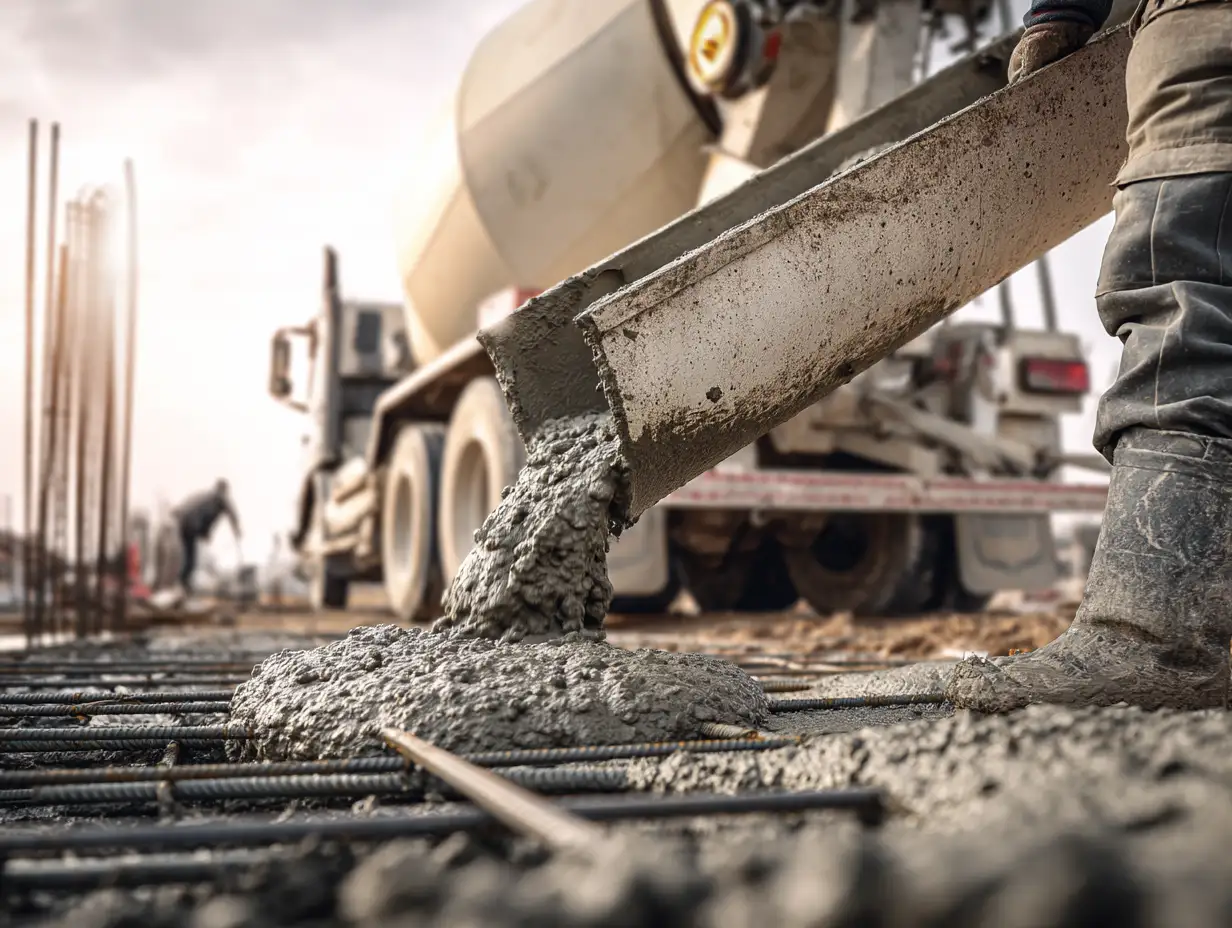 polypropylene fibres for concrete