media versatile retrofit swing check valve groups?
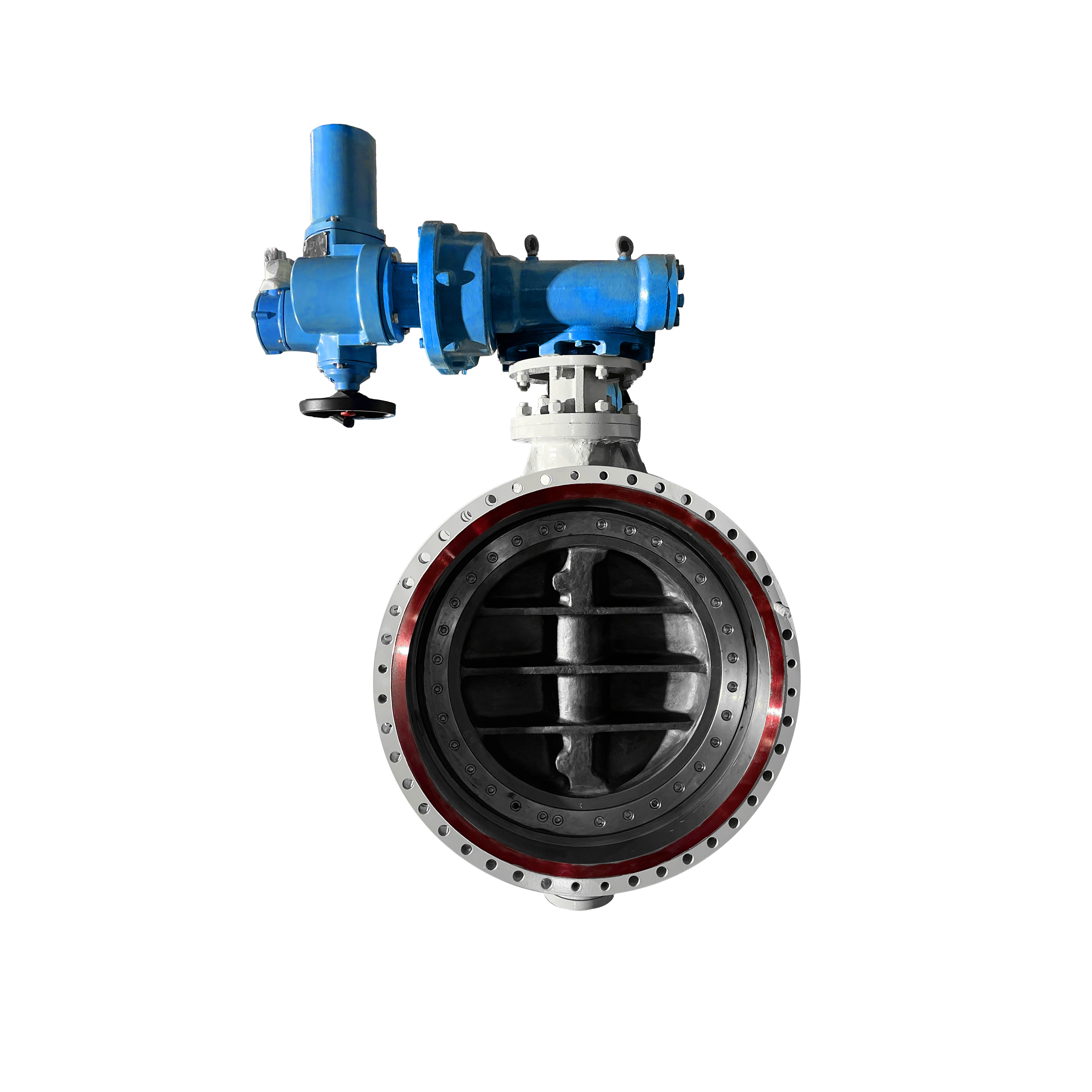
Launching the following detailed explanation about flow regulators.
A straight-through gating instrument intended to fully permit substance movement via a movable plate enclosed within the housing.
Valves with linear motion featuring sturdy design fit for high-volume pressure applications are categorized as gate valves. They are commonly utilized in various applications including pipelines where full flow control is required.Valve Control: Globe Valve Functions
Globe valves employ a curved barrier to manipulate media transfer through pipe lines. Primarily responsible for thorough closure or full access of flowing agents. Celebrated for superior precision in flow management, these valves fit uses demanding meticulous volume control.
The disadvantages of globe valves include higher pressure drop due to the restricted flow path created by the disk. Additionally, their complex design can lead to higher costs. Although presenting challenges, the valves are trusted for precise fluid adjustments.
Unidirectional Flow Valves in Pipelines
Essential elements for controlling fluid direction, preventing reflux in piping arrangements. Their principle is allowing single-path passage and spontaneously blocking backward movement. Elimination of reflux maintains operational stability and secures vital apparatus from deterioration.
As well, their deployment encompasses various pipelines, assembly lines, and automotive fluid channels. Flexibility in application renders them integral to contemporary fluid system designs.
Advantages Offered by Ball Valves
Celebrated for strength and reliability, ball valves stand out as favored options in many sectors. Their simple design consists of a hollow ball with a bore that rotates to control the flow of fluids. The approach provides trustworthy service suited for an extensive spectrum of applications.
- {Advantages include: ease of operation, tight shutoff, and versatility for various temperatures.|Key benefits involve user-friendly operation, excellent sealing, and adaptability to temperature extremes.|Features provided are simple handling, reliable closure, and suitability for diverse thermal ranges.|Benefits encompass straightforward control, dependable shutoff, and application flexibility over conditions.|Positive traits comprise effortless use, secure sealing, and compatibility with multiple heating limits.|Valued characteristics cover uncomplicated operation, superior closure, and broad temperature endurance.|Notable perks feature convenient handling, tight sealing, and robustness across temperature spans.|Significant advantages include easy management, leak-proof closure, and adaptability for temperature variance.|
Choosing the Right Valve: Gate, Globe, Check, and Ball Valves
Fluid movement oversight depends on valves in various industrial and private environments. Frequently used valves—gate, globe, check, ball—embody varied features and advantages. Differing by form, globe valves employ downscaled cones for refined flow supervision. Check valves preserve directional fluid transit whereas ball valves provide prompt management. The ideal selection corresponds to defined functional criteria and situational aspects.
- Gate valves
- Ball valves are ideal for frequent cycling.|Ball valve designs suit repetitive use cycles well.|Ball valves accommodate high-frequency operation efficiently.|Chosen ball valves excel in frequent on-off cycles.|Ball valves perform reliably under repeated toggling.|These ball valves tolerate continuous operation cycles.|Ball valves adapt favorably to consistent cycling demands.|Preferred ball valves endure regular operational toggling.|
- Analyze pressure and temperature factors carefully for optimal valve use.
Matching Valves to Individual Scenarios
Choosing suitable valves involves multiple considerations tailored to your use case. First action involves evaluating what material passes through the valve pipeline. Such knowledge assists in refining the range of valve options. Following that, understanding pressure ratings critical to your scenario is vital. Due to broad assortment in valve parameters, selecting congruent components is key.
- What's more, you should pay attention to the material of the valve.|Further to this, valve substance characteristics must be examined.|Additionally, focus should be given to construction materials used.|It is also essential to evaluate valve composition elements.|Moreover, valve material suitability requires careful consideration.|Besides, reviewing material properties impacts valve selection.|Likewise, appraisal of constituent substances is fundamental.|Notably, attention to valve fabric materials is indispensable.|
- {Different materials have differing properties that make them suitable for various applications.|Material diversity leads to distinct features facilitating application-specific uses.|Compositional variation influences performance traits aligned with selected operations.|Distinct substance attributes determine the appropriateness for different tasks.|Variations in material quality affect functional compatibility across scenarios.|Material differences contribute unique characteristics tailored for applications.|Divergent construction elements bring specialized features fitting varied uses.|Various material traits enhance performance in specified application contexts.|
- Finally, it's always a good idea to consult a valve expert if you have any questions about selecting the right valve for your needs.
Valve Capacity and Efficiency Metrics
Core influences feature fluid throughput, pressure disturbances, and thermal impact. Attributes including capacity ratings and material types heavily influence valve suitability. Conscientious review results in selecting components maximizing system outputs with minimal energy use.
Resolving Frequent Valve Issues
Quick source pinpointing facilitates addressing valve related difficulties. Frequent nuisances range from drips, restrictions, to control failures. Observation of damage, connections, and wear patterns facilitates specific fault discovery. For more complex issues, consulting a qualified plumber, technician, or engineer is recommended.
- Regularly inspect/Periodically check/Frequently examine/Consistently review/Routinely assess/Systematically monitor/Scheduled audit/Constantly verify your valves for any signs of damage.|Securely fasten/Ensure proper tighten/Confirm stability/Verify firmness/Check snugness/Validate connection strength/Authenticate joint tightness/Ascertain fitting security that all connections are tightened.|Maintain cleanliness/Keep free of debris/Remove contaminants/Preserve tidiness/Clean thoroughly/Prevent accumulation/Manage cleanliness/Retain debris-free status around valve areas.
Standard Care and Surveillance of Operational Valves
Valve devices deliver indispensable service assuring safety and performance in industrial flows. Preserving valve capabilities involves scheduled inspections and maintenance. Thorough examinations require scrutiny for corrosion, usage decay, or impairment. Wearing parts benefit from lubrication improving durability and reliability. Heeding vendor protocols secures correct maintenance application. Logging comprehensive maintenance records aids systematic servicing and repair tracking.
Introduction to Valve Mechanics and Automation
Automation components for valves contribute significantly to plant operations. Such devices steer fluid, gas, and substance circulation within system infrastructures. Integration with control technology allows refined and effective valve actuation. Specified actuator types benefit applications based on output force, environmental tolerance, and regulation accuracy.
Fluid Power vs Compressed Air Valve Systems
Valve mechanisms driven by hydraulic fluid or compressed air are indispensable in industrial sectors. Conversely, fundamental differences characterize their flow control modes. Hydraulically operated valves use liquid power; pneumatically activated valves use compressed gas. Such distinctions yield divergent features of strength, velocity, and control precision. Generally, hydraulic valve systems provide strong force ideal for demanding processes. Pneumatic valve systems appeal for straightforwardness and reduced expenses.
Summarizing this comprehensive examination of valve types and applications, this illustrates how selecting valves wisely involves considering usage criteria and functional parameters. Understanding and implementing valve mechanics enrich industrial productivity. Hence finishes our comprehensive pneumatic butterfly valve account of valve applications and benefits.