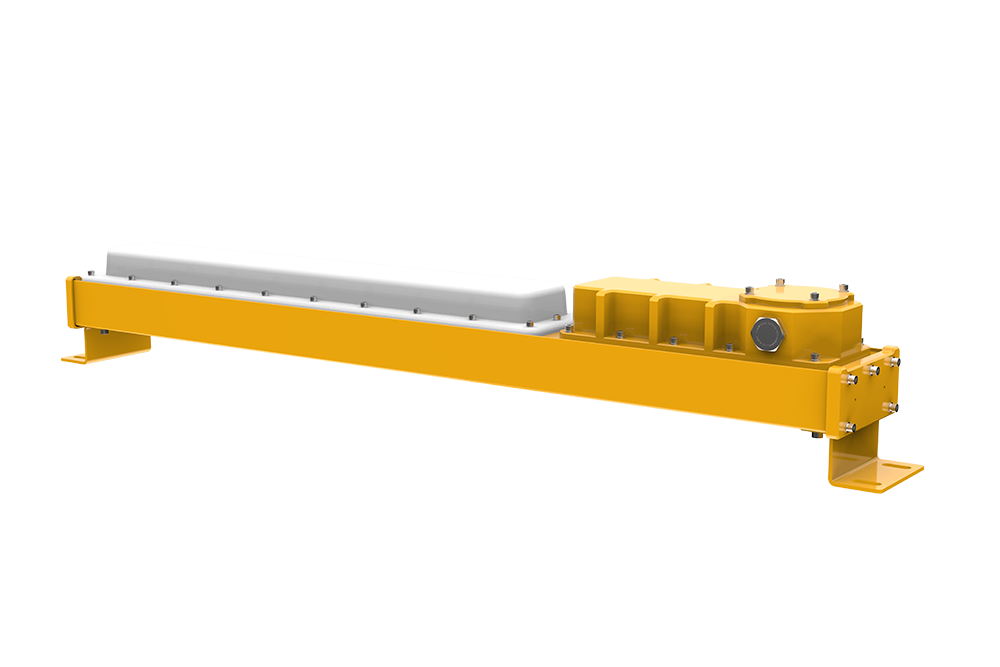
risk management aligned flame rated safety lights?
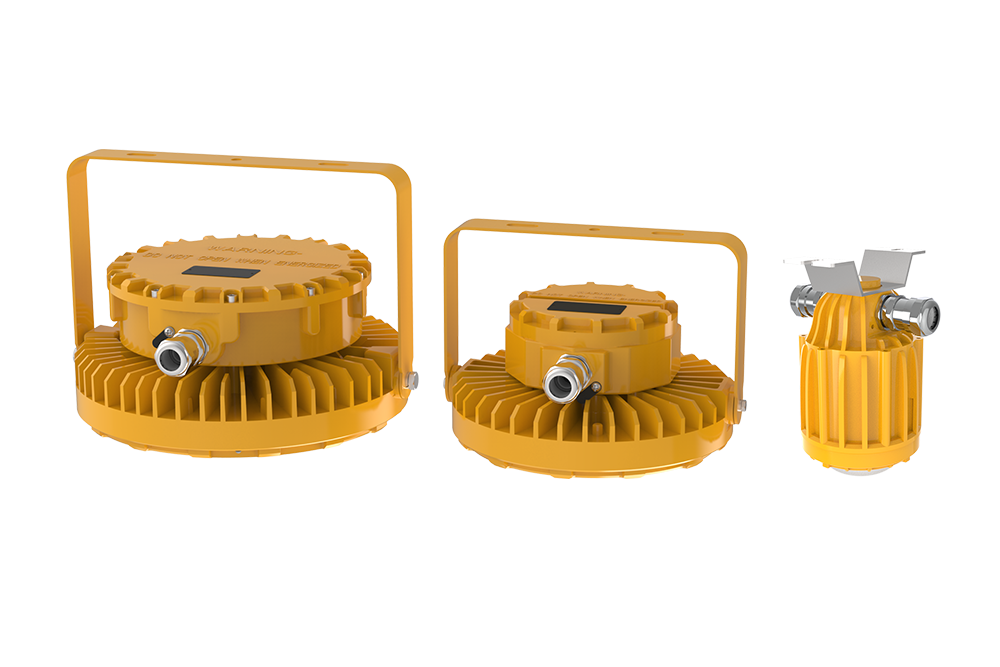
h
Engaging amid environments with flammable goods obliges some severe tactic regarding ignition safety. Fireproof illumination devices function as particularly engineered to inhibit igniting throughout those dangerous sites, normally designated as Class I, II, or III fractions. The mentioned lamps aren't simply entirely "resilient" – such function via some concept linked to containment: when one ignition indeed happen at the enclosure, it is encapsulated and does not propagate around the encircling area. Picking the compatible variety of hazardous location light sources constitutes paramount and takes into account factors like the fumes present, its amount, and the temperature of the machinery. Always contact with a professional specialist to ascertain congruence with local codes and to support a healthy environment. Shortcoming to do so can cause severe consequences.
Learning Explosion Intrinsically Safe Lamps Provisions
Guaranteeing worker health and preventing catastrophic collapses in hazardous environments demands meticulous attention to explosion fireproof illumination systems regulations. Those directives typically stem from organizations like the National Electrical Framework (NEC) and globally recognized endorsement bodies, ensuring equipment can withstand probable ignition sources such as combustion-prone gases, vapors, or dust. Proper selection involves considering the exact Class and Section designation of the premises, which dictates the level of safeguard needed – from intrinsically harmless designs to enclosures capable of containing an innate combustion. Adherence with these instructions isn't merely a counsel; it’s a legal and ethical bond vital for protecting lives and property.
Ex Proof Illumination: A Extensive Inspection
Preserving safety in inherently perilous settings is important, and flameproof lights play the significant position in reaching aforementioned end. The mentioned carefully designed light sources are produced to survive flammable environments, stopping firing of emissions and liquefied chemicals. Appreciating the foundations of spark proof validation, numerous kinds of devices, and applicable usage is completely required for adherence and for upholding a safe working place. The specified feature will study into highlighted matters, supplying helpful insights for operators and complex executives.
Solid-State Light Flame Retardant Luminaires: Savings
In surroundings where explosive emissions or particulates are present, regular light systems can create a significant exposure. By chance, Light chip explosion-proof devices furnish a strong solution that fuses unparalleled performance with important defense. The mentioned state-of-the-art systems draw on substantially less amperage than traditional methods, leading to minimized payments and a minor strain. Furthermore, the reinforced formation of these fixtures promises continuous use even in the most demanding production settings, diminishing the risk of lighting.
Choosing the Right Shockproof Lighting Systems for Toxic Zones
Maintaining safe performance within precarious zones demands exacting consideration when specifying lighting approaches. Beyond simply buying a apparatus, it's vital to appreciate the specific grouping of the place – whether it's Rank I, II, or III, and districts 1 or 2. The appropriate lighting variety – normally flameproof – must be accredited by a authorized certification agency such as ATEX to authenticate it will resist the probable for lighting. Furthermore, elements like ambient atmospheric level , energy flow requirements, and illumination levels should be closely examined to yield exemplary performance and maintain conformity with all pertinent safety codes. Discounting these aspects could lead to critical results.
Examination of Profits of Flame Retardant Lighting in Industrial Environments
Sustaining a risk-free and steadfast operational environment is paramount in factory settings, particularly those dealing with ignitable materials. Flame retardant lighting isn't simply a compliance issue; it's a key investment in employee well-being and asset management. The stated purpose-built fixtures are meticulously assembled to contain an central explosion, preventing incineration of surrounding exhalations. Beyond this primary job, they consistently offer improved toughness in harsh circumstances, reducing overhaul frequency and downtime. Furthermore, the adoption of contemporary fireproof lighting solutions, such as chip-based technology, can yield significant expenditure reductions and a more environmentally safe operation, while in parallel enhancing workplace perception and overall performance.
Securing Your Intrinsically-Safe Lights: Optimal Practices
Continuous repair is vital for prolonging the longevity of your explosion-proof lighting setups. Embark with a extensive visual inspection for any indications of physical damage, such as shatters or wear. Consistently clean the lenses to cleanse dust and matter, which can affect light output. Too, ensure the entire wiring are solid and absent of deterioration. Schedule a regular evaluation program, adhering to the fabricator's directives and relevant risk management laws. Lastly, store precise data of all fixing work for review objectives.
Understanding stands for Sparkproof Illumination while Can it Run?
Fire-resistant light sources are specially constructed implementations intended to eliminate burning in risky districts, like petrochemical stations or agricultural crumbs management workplaces. Essentially, instead of blocking glints from transpiring, these luminaires restrict any potential spark within a fixed case. This method typically involves adopting heavy-duty cases, often engineered of fabricated copper, that are grounded and loaded with a non-reactive substance, like powder, to counteract any localized impact burst from an ignition. The formation ensures that any intimate combustion doesn’t diffuse to the nearby environment, thus diminishing a larger catastrophe.
Comparing Explosion Proof Light Types: ATEX, IECEx, UL
Picking the appropriate "correct" explosion-proof "lighting devices" for hazardous "locations" can be complicated, particularly when reviewing differing certification "guidelines". ATEX, IECEx, and UL are three preeminent" certifications, each with its own "approach" and breadth". ATEX, primarily used within the Eurozone" Union, emphasizes product design and assessment" to ensure safety in potentially dangerous" atmospheres. IECEx, an international certification, offers a worldwide" recognized standard" and often grants" reciprocal recognition, enhancing" compliance across multiple "lands". Finally, UL (Underwriters Laboratories) typically" focuses on North American "directives" and provides a respected" certification system known for its comprehensive" testing "techniques". While overlaps arise, the special" testing "standards" and notetaking" differ, making a careful "assessment" crucial for ensuring full legal" compliance and a secure" working "setting".
LED Lighting vs. Classic Fireproof Lighting Systems: Which is More Efficient?
Determining between Solid-State Light and historic flame retardant {lights|fixtures|luminaires|lamps|lighting explosion proof lights systems|illum