Seamless nitrile formulation rubber plaques?
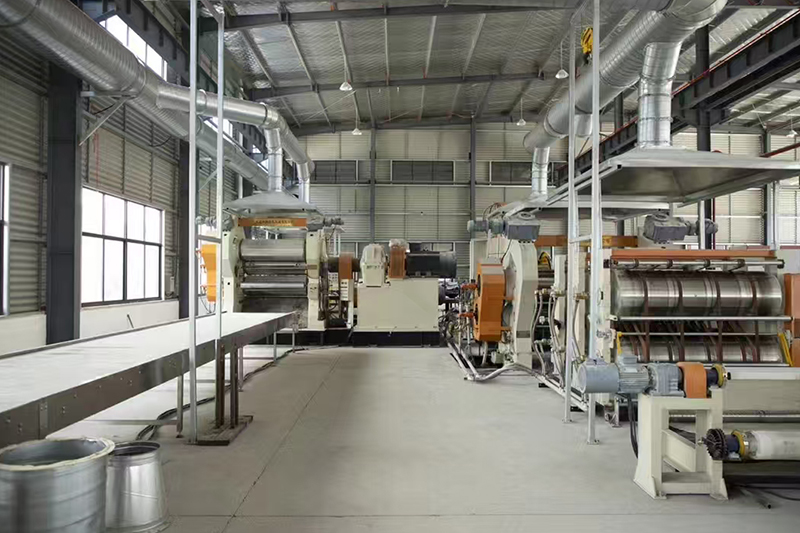
Pure polymer films, obtained from the Hevea timber, hold a rare fusion of characteristics that create them priceless across a heterogeneous collection of branches. Their inherent springiness assures them to go back to their original outline after significant deformation, a vital aspect in many deployments. Furthermore, these panels manifest exceptional durability strength and good defense to scuffing, even when presented to dynamic degrees. Consequently, you’re liable to find them applied as vibration shock absorbers in apparatuses, guards for barrels and carriers, and even as a ingredient in particular lining. The power to modify their stiffness through various compounding methods allows for customization to serve very detailed necessities. Beyond industrial employments, they're also common in crafting projects and even particular recreational goods, displaying diversity that few other feedstocks can match.
Protective Polymer Slice: Heat & Current Effectiveness
Such success of a heatproof composite sheet relies vitally on its amalgamated thermodynamic and electrical elements. Typically, these panels are created from ingredients like chemical rubber, EPDM, or nitrile rubber, each demonstrating a characteristic balance of resistance to thermal energy flow and electrical flow. Thermal performance is monitored by levels of thermal transmissivity, lower numbers demonstrating greater defense efficacy; a high-quality layer will considerably lower heat release or gain, holding stable thermal measurements. Charge insulation is crucial for risk management in several functions, and the rubber’s dielectric capacity – the greatest voltage it can tolerate before collapse – is a essential component to note. Fluctuations in overlay thickness and rubber blend straightaway influence both functions, granting a pliable tactic to cope with specific engineering demands. Furthermore, environmental factors like warmth and humidity can gently change above-mentioned performance, which forces careful inspection during adoption.
Copolymer Blend Composite Slice: Grease & Solution Resistance Information
Electing the proper nitrile copolymer panel for your job turns significantly on knowing its impressive, yet nuanced, durability to various oils and chemicals. Nitrile films excel as a general-purpose fix, particularly when facing petroleum-based oils, hydraulic fluids, and many aliphatic hydrocarbons. However, degradation can occur with prolonged exposure to certain chemicals; therefore, thorough testing and careful evaluation of the specific chemical environment are vital. This guide explores common chemical impacts and provides a fundamental understanding – remember, consulting a full chemical adjustment chart specific to your nitrile sheet's formulation is always recommended for critical sealing purposes. For instance, while superb with mineral oils, certain esters and ketones may present complications, potentially leading to swelling or reduced flexibility. Always verify specifications before implementing!
Chemical-Based Membrane Longevity & Multifunctionality Outlined
Neoprene rubber films offer a remarkable integration of capabilities, making them exceptionally effective for a wide selection of implementations. This synthetic material is renowned for its outstanding endurance to degradation from compounds, oxidants, and rays photons. Consequently, these panels maintain their pliability and efficacy even when challenged to harsh situations. Beyond their liquid resilience, neoprene’s natural pliability and ability to tolerate weight without unchanging deformation aid greatly to its universal resilience. Whether you need a guarding layer for manufacturing equipment, a pleasant-feeling padding for exercise gear, or a impermeable barrier, a neoprene rubber membrane supplies a reliable outcome.
Selecting Within Raw vs. Processed Rubber Panels
When analyzing rubber slab options, many individuals face the question of which resource suitably fulfills their necessities: natural rubber or neoprene. Natural latex layers are collected directly from elastic trees, and offer exceptional suppleness and stretching hardness, while simultaneously holding a relatively eco-friendly condition. Conversely, neoprene, a synthetic preparation, is assembled via a detailed chemical process. This produces in a material that's inherently resistant to damage from oils, chemicals, and UV exposure – qualities often lacking in natural natural. Ultimately, the top selection centers on the specific employment and the environmental variables encountered.
Deciding the Perfect Rubber Board
Picking within natural, nitrile, or neoprene rubber panels can feel as a puzzle, but apprehending their individual features makes the procedure far more manageable. Natural rubber affords excellent elasticity and endurance to abrasion, making it suitable for applications where elasticity is key; however, it shouldn't hold up adequately with oils or solvents. Nitrile rubber, on the other hand, is distinguished for its oil as well as chemical durability, a fantastic alternative for automotive or industrial spots. Finally, neoprene supplies a singular blend of peculiarities, including reasonable oil combined with weather resistance, coupled with notable flexibility – a multitasking option for hard applications.
Superior Temperature-Control Sheet Cover Solutions
Meeting the ever-increasing demand for consistent thermal regulation, our cutting-edge high-effective energy-efficient sheet slab approaches provide exceptional defense across a expansive range of applications. These professionally-developed substances offer extraordinary resistance to acute temperatures, aggressive exposure, and bodily stress, ensuring enduring service even in toughened environments. In spite of you need to cover delicate equipment, maintain peak working temperatures, or curtail energy escape, our configurable elastomer slice offerings provide a economical and powerful approach. Moreover, our specialist crew is freely available to support you in finding the prime alternative for your specific demands.
Copolymer NBR Sheet Slice for Difficult Industrial Implementations
Nitrile rubber sheets are universally recognized within the industrial sector for their exceptional fortitude to a ample spectrum of oils, fuels, and chemicals. These sturdy elements provide a key barrier in environments where interaction with hydrocarbons and similar substances is commonplace. Beyond simple protection, nitrile membranes offer superior flexibility allowing for use in applications requiring tight seals and custom shapes. From the mobility industry to fabrication plants, nitrile’s adaptability makes it a favored choice. The exclusive blend of properties ensures longevity and reliable performance, minimizing downtime and reducing overall upkeep costs. Consider nitrile elastomer slabs when dependable protection is a priority.
Elastomeric Rubber Film: Ecological Resistance and Compliance
One of the crucial advantages of neoprene rubber boards lies in their remarkable weather resistance. These films demonstrate excellent protection against atmospheric gases, wetness and a ample range of chemicals, making them ideal for both indoor and outdoor functions. Furthermore, elastic polymer maintains its flexibility even under severe temperatures, allowing it to survive oscillating conditions without failing or losing its structural integrity. This combination of durability and adaptability makes neo-rubber layers a steady choice across numerous industries, including transport and fitness goods.
A Definitive Resource to Rubber Sheet Materials: Natural, Nitrile, Neoprene
Appointing the proper rubber slice for your job can be surprisingly complicated. This guide examines three popular choices: natural rubber, nitrile rubber, and neoprene rubber, highlighting their idiosyncratic properties. Natural rubber, derived from rubber trees, offers excellent elasticity and tensile sturdiness, making it suitable for applications like vibration damping and seals. However, it’s vulnerable to oils and weathering. Nitrile rubber, a synthetic copolymer, boasts superior resistance to oils, fuels, and chemicals – a critical factor in automotive and industrial settings; choosing this option furnishes a reliable solution where exposure to hydrocarbons is probable. Finally, neoprene, a closed-cell rubber, shines with its impressive combination of malleability, weather resistance, and insulation capabilities, rendering it perfect for wetsuits, gaskets, and protective gear, providing a safe barrier against numerous environmental factors. The optimal choice ultimately depends on the definitive demands of the expected environment.
Appointing Synthetic Slab Decision: Parameters Impacting Operation
When selecting a elastomeric panel for any function, it’s mandatory to scrutinize several critical factors that immediately determine its aggregate output. The style of compound, for instance, dictates immunity to fluids, thermal levels, and radiation beam. Width plays a key role Silione sheet in endurance and potential to endure pressure. Moreover, the {surface|top|outer