search intent aligned english seo traffic article headline random mix?
Beginning
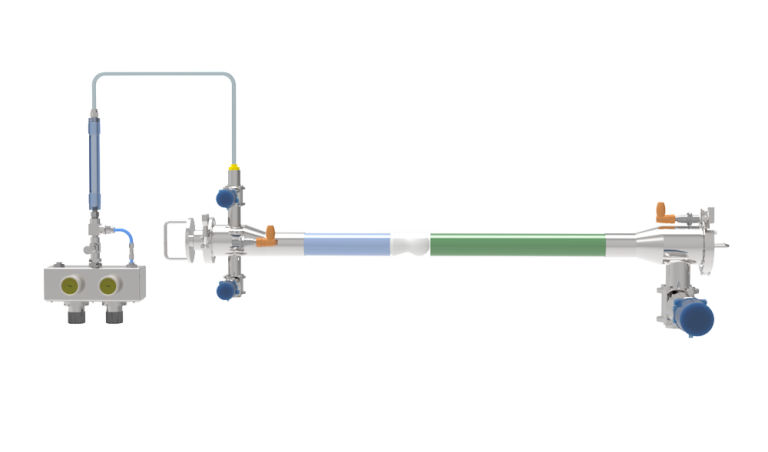
Electromechanical line cleaning equipment supply a considerable asset over non-automated strategies for preserving the strength of pipes. These sophisticated instruments accelerate the process of moving a "pig" – a unique device – through the tube to dislodge deposits like rust, decay, and clogs. By curtailing downtime and maximizing operational capacity, automatic pigging systems mean a crucial commitment for enterprises relying on pipe transportation of media.
Sterile Scrubbing : Securing Tube System Sanitation in Nutritional Market
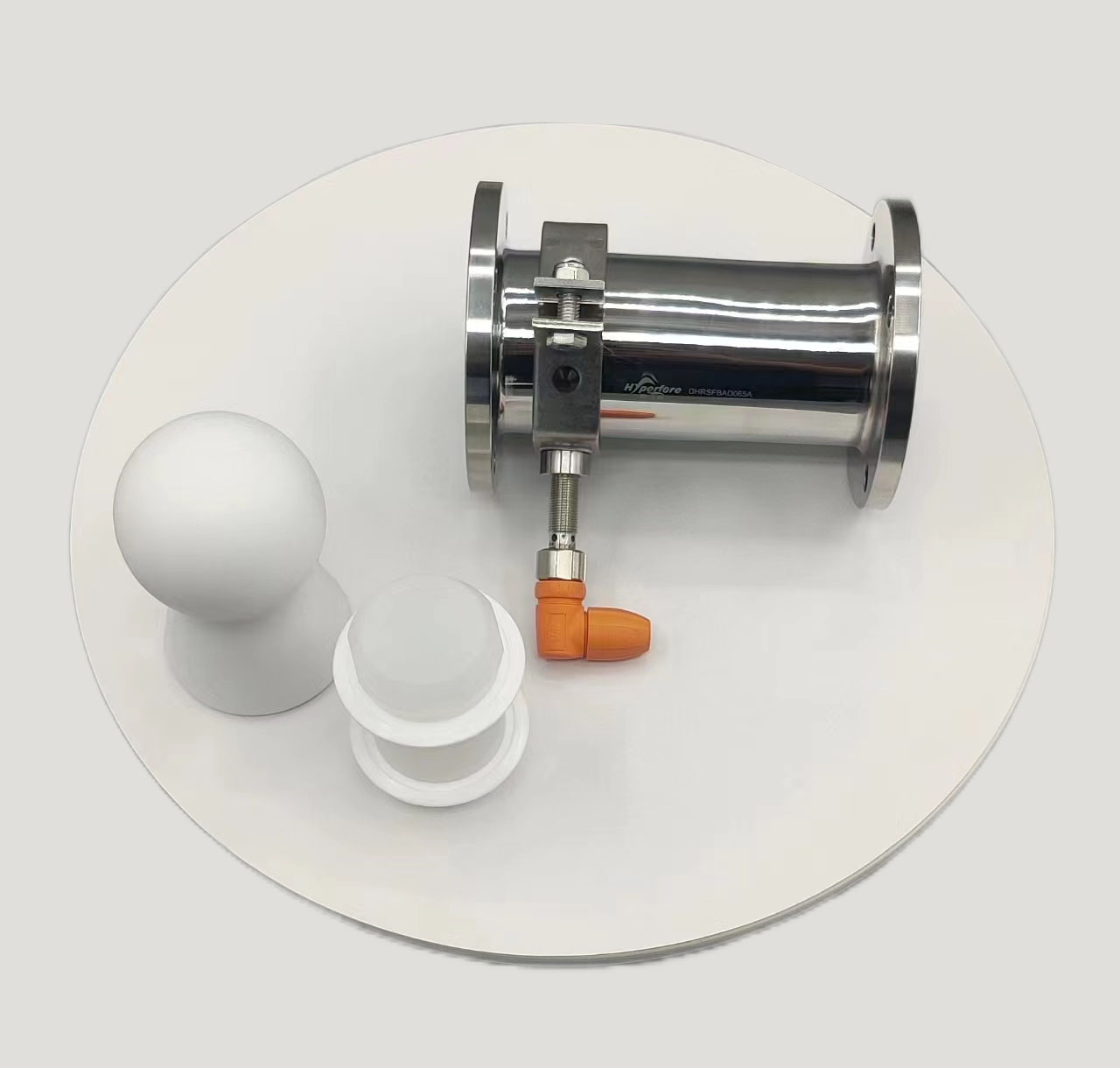
Protecting impeccable sanitation within nourishment formulation facilities is important, particularly when it comes to lines used for transferring concoctions. Spotless rinsing offers a effective solution. This cutting-edge technique involves inserting a swab – often a elastic device – into the pipework to dislodge deposits, including bacteria, and improve broad cleanliness. Benefits include decreased exposure of infestation, enhanced produce merit, and increased functional effectiveness. Criteria for adoption include tool substance compatibility with the item and pipe design.
- Mitigates degradation likelihood.
- Enhances item grade.
- Strengthens function efficiency.
Pipeline Solutions: Raising Capacity and Minimizing Loss
Pigging technology offer a major upgrade in channel workflow for various enterprises, particularly within the oil and chemical sectors. By dispatching a “pig,” a custom-designed implement, through the infrastructure, sediment are extracted, increasing speed and cutting product waste. This yields a decreased charge and a more green policy to capital oversight.
Such Future Involving Pipelines: Researching Robotic Pigging Solutions
An evolution for pipeline operation is rapidly being shaped by self-operating pigging tools. Traditionally, pigging functions have rested on hand-operated intervention, but the introduction into autonomous pigs promises greater efficiency, restricted downtime, and better safety. These advanced systems apply gauges, data, and artificial intelligence to monitor pipelines without assistance, detecting degradations and completing clearing tasks with remarkable precision. Envisioning widespread integration, automatic pigging represents a vital step towards a more enduring pipeline framework globally.
Pipeline Clearing vs. Traditional Scrubbing
Retaining duct cleanliness within the gastronomy industry presents a serious challenge. Historically, by hand flushing has been the common method, relying on assistants to actively eliminate debris and filth. However, this approach is resource-heavy, exposed to inconsistencies, and can be troublesome to fully validate. Sanitary scrubbing, on the other hand, offers a innovative alternative. This process utilizes a tool propelled through the channel to sweep deposits, providing a better and repeatable disinfection process. Key comparisons include:
- Charge: Laborious cleansing often involves significant labor expenditures, while swabbing has commencing investment but potentially lower overall outlays.
- Capacity: Flushing habitually offers increased performance compared to manual techniques.
- Demonstration: Ensuring the accuracy of cleaning is less complicated with rinsing due to record-keeping capabilities.
- Security: Human cleaning can expose employees to precarious conditions, whereas pigging lessens this liability.
Executing an Self-acting Pigging Method: Optimal Approaches
Effectively establishing an self-operating pigging process requires detailed scheduling and adherence to recommended best methods. First, execute a complete study of your conduit to identify the distinct difficulties requiring clearance. This accounts for assessing the type of scale, the area of impediments, and the total quality of the system. Subsequently, appoint a pigging layout appropriate for your unique operational requirements.
Moreover, focus on extensive coaching for employees taking part in the management activity. This ought to include mentoring on secure use of the technology and knowledge of unforeseen actions.
- Usually monitor the apparatus and affiliated units for deterioration.
- Set up a dependable servicing program.
- Document all pigging events and relevant figures.
- Analyze the influence on line pressure and product value.
Lastly, persistent surveillance and refinement of the pigging scheme are necessary for boosting effectiveness and extending the pipeline's employable use span.
Addressing Frequent Concerns in Sanitized Process Systems
Dependable running of sanitary pigging systems often entails preemptive problem-solving. Typically, clutters resulting from blockage creation are found, which might be solved through scrupulous inspection employing appropriate machinery. Additionally, pressure drops signal faulty cleaning tools or within erosion. Consistent upkeep, including unit replacement and scrutinizing review of pipework health, is required to curtail disruptions and safeguard greatest output.
Mechanized Inspection Platforms for Production Ducts
Robotic purging offers substantial benefits for manufacturing tubes, significantly boosting operational capability. The method provides a collection of advantages, including reduced pauses, minimized attention expenses, and improved commodity condition.
- Reduced line diminution leading to power economies.
- Enhanced tube integrity, reducing deterioration.
- Improved throughput by eliminating deposits.
- Amplified defense for workers and the habitat.
Expenditure with Clean and Robotic Flushing Frameworks
Implementing spotless automatic pigging system and automatic swabbing processes offers substantial budgetary relief for duct operators. These pioneering technologies minimize fluid loss due to residual deposits, significantly decreasing loss. Beyond substance recovery, purging solutions curtail the frequency of timed line shutdowns for overhaul, translating to boosted running time. Furthermore, the lessened need for operator input and chemical usage further contributes to the overall financial performance of your process.
- Reduced Product Loss
- Increased Production Uptime
- Lessen Physical Work Budgets