streamlined seamless operation automated zeolite rotor regeneration system?
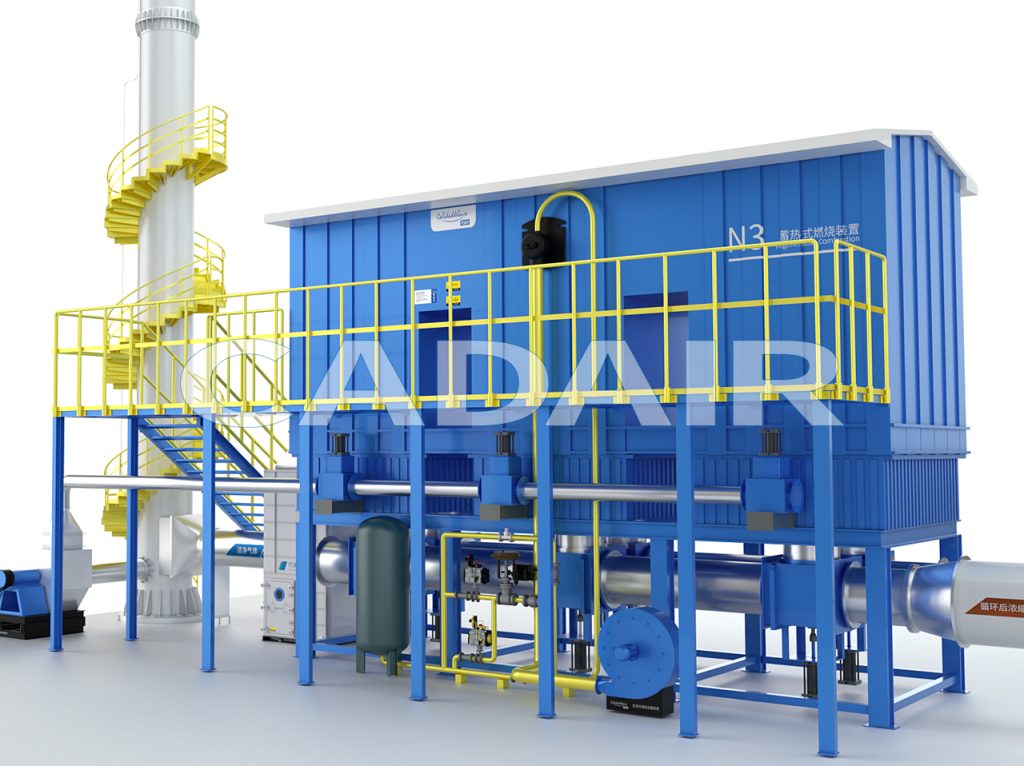
Unstable chemical vapors discharge arising from a range of enterprise processes. These discharges present considerable ecological and health challenges. To manage these complications, effective pollution control technologies are necessary. A notable approach utilizes zeolite rotor-based regenerative thermal oxidizers (RTOs). Zeolites, characterized by their extensive surface area and exceptional adsorption capabilities, proficiently capture VOCs. The RTO mechanism utilizes a rotating zeolite bed to renovate the trapped VOCs, converting them into carbon dioxide and water vapor through oxidation at high temperatures.
- Regenerative heat oxidizers furnish different merits over regular heat oxidizers. They demonstrate increased energy efficiency due to the repurposing of waste heat, leading to reduced operational expenses and decreased emissions.
- Zeolite rings extend an economical and eco-friendly solution for VOC mitigation. Their distinctive focus facilitates the elimination of particular VOCs while reducing influence on other exhaust elements.
State-of-the-Art Regenerative Catalytic Oxidation Utilizing Zeolite Catalysts
Repetitive catalytic oxidation adopts zeolite catalysts as a powerful approach to reduce atmospheric pollution. These porous substances exhibit superior adsorption and catalytic characteristics, enabling them to skillfully oxidize harmful contaminants into less hazardous compounds. The regenerative feature of this technology provides the catalyst to be regularly reactivated, thus reducing junk and fostering sustainability. This revolutionary technique holds important potential for minimizing pollution levels in diverse suburban areas.Study on Catalytic and Regenerative Catalytic Oxidizers for VOC Control
This research assesses the capability of catalytic and regenerative catalytic oxidizer systems in the ablation of volatile organic compounds (VOCs). Observations from laboratory-scale tests are provided, evaluating key aspects such as VOC proportions, oxidation efficiency, and energy application. The research discloses the advantages and cons of each solution, offering valuable insights for the determination of an optimal VOC remediation method. A complete review is provided to guide engineers and scientists in making knowledgeable decisions related to VOC handling.Impact of Zeolites on Improving Regenerative Thermal Oxidizer Performance
Thermal regenerative oxidizers function crucially in effectively breaking down volatile organic compounds (VOCs) found in industrial emissions. Efforts to improve their performance are ongoing, with zeolites emerging as a valuable material for enhancement. These microporous crystals possess a large surface area and innate reactive properties, making them ideal for boosting RTO effectiveness. By incorporating this mineral into the RTO system, multiple beneficial effects can be realized. They can enhance the oxidation of VOCs at reduced temperatures, lowering energy usage and increasing overall productivity. Additionally, zeolites can sequester residual VOCs within their porous matrices, preventing their release back into the atmosphere. This dual role of these porous solids contributes to a greener and more sustainable RTO operation.
Creation and Tuning of a Regenerative Catalytic Oxidizer with Zeolite Rotor
Research analyzes the design and optimization of an innovative regenerative catalytic oxidizer (RCO) integrating a rotating zeolite rotor. The RCO system offers considerable benefits regarding energy conservation and operational versatility. The zeolite rotor is pivotal in enabling both catalytic oxidation and catalyst regeneration, thereby achieving optimized performance.
A thorough investigation of various design factors, including rotor geometry, zeolite type, and operational conditions, will be conducted. The goal is to develop an RCO system with high output for VOC abatement while minimizing energy use and catalyst degradation.
As well, the effects of various regeneration techniques on the long-term robustness of the zeolite rotor will be examined. The results of this study are anticipated to offer valuable intelligence into the development of efficient and sustainable RCO technologies for environmental cleanup applications.
Analyzing Synergistic Interactions Between Zeolite Catalysts and Regenerative Oxidation for VOC Control
VOCs represent considerable environmental and health threats. Usual abatement techniques frequently do not succeed in fully eliminating these dangerous compounds. Recent studies have concentrated on formulating innovative and potent VOC control strategies, with amplified focus on the combined effects of zeolite catalysts and regenerative oxidation technologies. Zeolites, due to their significant porosity and modifiable catalytic traits, can competently adsorb and break down VOC molecules into less harmful byproducts. Regenerative oxidation applies a catalytic mechanism that deploys oxygen to fully oxidize VOCs into carbon dioxide and water. By merging these technologies, major enhancements in VOC removal efficiency and overall system effectiveness are achievable. This combined approach offers several pros. Primarily, zeolites function as pre-filters, collecting VOC molecules before introduction into the regenerative oxidation reactor. This augments oxidation efficiency by delivering a higher VOC concentration for total conversion. Secondly, zeolites can prolong the lifespan of catalysts in regenerative oxidation by extracting damaging impurities that otherwise lessen catalytic activity.Evaluation and Computation of Zeolite Rotor-Based Regenerative Thermal Oxidizer
The research offers a detailed research of a novel regenerative thermal oxidizer (RTO) utilizing a zeolite rotor to improve heat recovery. Employing a comprehensive mathematical framework, we simulate the activity of the rotor within the RTO, considering crucial aspects such as gas flow rates, temperature gradients, and zeolite characteristics. The simulation aims to optimize rotor design parameters, including geometry, material composition, and rotation speed, to maximize capability. By measuring heat transfer capabilities and overall system efficiency, this study provides valuable knowledge for developing more sustainable and energy-efficient RTO technologies.
The findings validate the potential of the zeolite rotor to substantially enhance the thermal effectiveness of RTO systems relative to traditional designs. Moreover, the method developed herein serves as a useful resource for future research and optimization in regenerative thermal oxidation.
Effect of System Parameters on Zeolite Catalyst Function in Regenerative Catalytic Oxidizers
Performance of zeolite catalysts in regenerative catalytic oxidizers is strongly affected by numerous operational TO parameters. Heat state plays a critical role, influencing both reaction velocity and catalyst stability. The intensity of reactants directly affects conversion rates, while the flow rate of gases can impact mass transfer limitations. In addition, the presence of impurities or byproducts may weaken catalyst activity over time, necessitating regular regeneration to restore function. Optimizing these parameters is vital for maximizing catalyst output and ensuring long-term sustainability of the regenerative catalytic oxidizer system.Assessment of Zeolite Rotor Recharge in Regenerative Thermal Oxidizers
This investigation examines the regeneration process of zeolite rotors within regenerative thermal oxidizers (RTOs). The primary purpose is to discern factors influencing regeneration efficiency and rotor lifespan. A in-depth analysis will be realized on thermal profiles, mass transfer mechanisms, and chemical reactions during regeneration phases. The outcomes are expected to grant valuable intelligence for optimizing RTO performance and efficiency.
Environmentally Friendly VOC Reduction through Regenerative Catalytic Oxidation Utilizing Zeolites
VOCs pose common ecological contaminants. These pollutants emerge from assorted factory tasks, posing risks to human health and ecosystems. Regenerative catalytic oxidation (RCO) has become a promising system for VOC management due to its high efficiency and ability to reduce waste generation. Zeolites, with their distinct crystal properties, play a critical catalytic role in RCO processes. These materials provide large surface areas that facilitate VOC oxidation into less harmful products such as carbon dioxide and water.
The reusable characteristic of RCO supports uninterrupted operation, lowering energy use and enhancing overall green efficiency. Moreover, zeolites demonstrate durable performance, contributing to the cost-effectiveness of RCO systems. Research continues to focus on refining zeolite catalyst performance in RCO by exploring novel synthesis techniques, adjusting their crystalline arrangements, and investigating synergistic effects with other catalytic components.
Developments in Zeolite Science for Improved Regenerative Thermal and Catalytic Oxidation
Zeolite systems appear as preferred solutions for augmenting regenerative thermal oxidation (RTO) and catalytic oxidation approaches. Recent innovations in zeolite science concentrate on tailoring their architectures and characteristics to maximize performance in these fields. Researchers are exploring advanced zeolite structures with improved catalytic activity, thermal resilience, and regeneration efficiency. These upgrades aim to decrease emissions, boost energy savings, and improve overall sustainability of oxidation processes across multiple industrial sectors. Furthermore, enhanced synthesis methods enable precise governance of zeolite structure, facilitating creation of zeolites with optimal pore size layouts and surface area to maximize catalytic efficiency. Integrating zeolites into RTO and catalytic oxidation systems supplies numerous benefits, including reduced operational expenses, diminished emissions, and improved process outcomes. Continuous research pushes zeolite technology frontiers, paving the way for more efficient and sustainable oxidation operations in the future.Evaporative chemical substances emit from various industrial operations. These effluents cause prominent environmental and physiological issues. To manage these complications, advanced air quality management methods are vital. A leading strategy includes zeolite rotor-based regenerative thermal oxidizers (RTOs). Zeolites, characterized by their large-scale surface area and remarkable adsorption capabilities, productively capture VOCs. The RTO mechanism utilizes a rotating zeolite bed to renovate the trapped VOCs, converting them into carbon dioxide and water vapor through oxidation at high temperatures.
- RTO units offer numerous benefits compared to traditional thermal oxidizers. They demonstrate increased energy efficiency due to the reclamation of waste heat, leading to reduced operational expenses and decreased emissions.
- Zeolite drums furnish an economical and eco-friendly solution for VOC mitigation. Their high specificity facilitates the elimination of particular VOCs while reducing influence on other exhaust elements.
Novel Regenerative Catalytic Oxidation with Zeolite Catalysts for Environmental Protection
Continuous catalytic oxidation engages zeolite catalysts as a efficient approach to reduce atmospheric pollution. These porous substances exhibit impressive adsorption and catalytic characteristics, enabling them to effectively oxidize harmful contaminants into less poisonous compounds. The regenerative feature of this technology empowers the catalyst to be repeatedly reactivated, thus reducing junk and fostering sustainability. This groundbreaking technique holds noteworthy potential for controlling pollution levels in diverse urban areas.Investigation of Catalytic and Regenerative Catalytic Oxidizers in VOC Treatment
This research assesses the efficiency of catalytic and regenerative catalytic oxidizer systems in the eradication of volatile organic compounds (VOCs). Information from laboratory-scale tests are provided, studying key factors such as VOC amounts, oxidation pace, and energy application. The research discloses the positive aspects and limitations of each system, offering valuable understanding for the preference of an optimal VOC removal method. A systematic review is provided to guide engineers and scientists in making knowledgeable decisions related to VOC control.Significance of Zeolites in Regenerative Thermal Oxidizer Enhancement
Regenerative thermal oxidizers (RTOs) play a vital role in effectively breaking down volatile organic compounds (VOCs) found in industrial emissions. Efforts to improve their performance are ongoing, with zeolites emerging as a valuable material for enhancement. This crystalline silicate structure possess a large surface area and innate catalytic properties, making them ideal for boosting RTO effectiveness. By incorporating these crystals into the RTO system, multiple beneficial effects can be realized. They can accelerate the oxidation of VOCs at reduced temperatures, lowering energy usage and increasing overall performance. Additionally, zeolites can adsorb residual VOCs within their porous matrices, preventing their release back into the atmosphere. This dual role of this material contributes to a greener and more sustainable RTO operation.
Engineering and Refinement of a Zeolite Rotor-Integrated Regenerative Catalytic Oxidizer
The investigation focuses on the design and optimization of an innovative regenerative catalytic oxidizer (RCO) integrating a rotating zeolite rotor. The RCO system offers considerable benefits regarding energy conservation and operational agility. The zeolite rotor is pivotal in enabling both catalytic oxidation and catalyst regeneration, thereby achieving optimized performance.
A thorough analysis of various design factors, including rotor structure, zeolite type, and operational conditions, will be realized. The intention is to develop an RCO system with high performance for VOC abatement while minimizing energy use and catalyst degradation.
Furthermore, the effects of various regeneration techniques on the long-term stability of the zeolite rotor will be examined. The results of this study are anticipated to offer valuable perspectives into the development of efficient and sustainable RCO technologies for environmental cleanup applications.
Investigating the Synergistic Effects of Zeolite Catalysts and Regenerative Oxidation on VOC Reduction
Volatile chemical agents denote important environmental and health threats. Standard abatement techniques frequently are insufficient in fully eliminating these dangerous compounds. Recent studies have concentrated on formulating innovative and potent VOC control strategies, with escalating focus on the combined effects of zeolite catalysts and regenerative oxidation technologies. Zeolites, due to their considerable pore capacity and modifiable catalytic traits, can successfully adsorb and disintegrate VOC molecules into less harmful byproducts. Regenerative oxidation applies a catalytic mechanism that harnesses oxygen to fully oxidize VOCs into carbon dioxide and water. By merging these technologies, significant enhancements in VOC removal efficiency and overall system effectiveness are achievable. This combined approach offers several favorable outcomes. Primarily, zeolites function as pre-filters, capturing VOC molecules before introduction into the regenerative oxidation reactor. This enhances oxidation efficiency by delivering a higher VOC concentration for comprehensive conversion. Secondly, zeolites can increase the lifespan of catalysts in regenerative oxidation by extracting damaging impurities that otherwise diminish catalytic activity.Development and Analysis of a Zeolite Rotor-Integrated Regenerative Thermal Oxidizer
The project furnishes a detailed analysis of a novel regenerative thermal oxidizer (RTO) utilizing a zeolite rotor to improve heat recovery. Employing a comprehensive modeling system, we simulate the conduct of the rotor within the RTO, considering crucial aspects such as gas flow rates, temperature gradients, and zeolite characteristics. The analysis aims to optimize rotor design parameters, including geometry, material composition, and rotation speed, to maximize success. By evaluating heat transfer capabilities and overall system efficiency, this study provides valuable knowledge for developing more sustainable and energy-efficient RTO technologies.
The findings validate the potential of the zeolite rotor to substantially enhance the thermal effectiveness of RTO systems relative to traditional designs. Moreover, the tool developed herein serves as a useful resource for future research and optimization in regenerative thermal oxidation.
Role of Operating Factors on Zeolite Catalyst Efficiency in Regenerative Catalytic Oxidizers
Productivity of zeolite catalysts in regenerative catalytic oxidizers is strongly affected by numerous operational parameters. Heat level plays a critical role, influencing both reaction velocity and catalyst resilience. The volume of reactants directly affects conversion rates, while the velocity of gases can impact mass transfer limitations. Also, the presence of impurities or byproducts may weaken catalyst activity over time, necessitating periodic regeneration to restore function. Optimizing these parameters is vital for maximizing catalyst productivity and ensuring long-term continuity of the regenerative catalytic oxidizer system.Investigation of Zeolite Rotor Reactivation in Regenerative Thermal Oxidizers
This work studies the regeneration process of zeolite rotors within regenerative thermal oxidizers (RTOs). The primary mission is to understand factors influencing regeneration efficiency and rotor durability. A in-depth analysis will be realized on thermal profiles, mass transfer mechanisms, and chemical reactions during regeneration intervals. The outcomes are expected to supply valuable knowledge for optimizing RTO performance and effectiveness.
Environmentally Friendly VOC Reduction through Regenerative Catalytic Oxidation Utilizing Zeolites
VOCs pose common ecological contaminants. These emissions derive from several production operations, posing risks to human health and ecosystems. Regenerative catalytic oxidation (RCO) has become a promising method for VOC management due to its high efficiency and ability to reduce waste generation. Zeolites, with their distinct textural properties, play a critical catalytic role in RCO processes. These materials provide notable reactive sites that facilitate VOC oxidation into less harmful products such as carbon dioxide and water.
The sustainable function of RCO supports uninterrupted operation, lowering energy use and enhancing overall sustainability. Moreover, zeolites demonstrate extended service life, contributing to the cost-effectiveness of RCO systems. Research continues to focus on refining zeolite catalyst performance in RCO by exploring novel synthesis techniques, adjusting their textural properties, and investigating synergistic effects with other catalytic components.
Cutting-Edge Zeolite Research for Enhanced Regenerative Thermal and Catalytic Oxidation
Zeolite composites come forth as essential contributors for augmenting regenerative thermal oxidation (RTO) and catalytic oxidation mechanisms. Recent progress in zeolite science concentrate on tailoring their architectures and characteristics to maximize performance in these fields. Scientists are exploring modern zeolite forms with improved catalytic activity, thermal resilience, and regeneration efficiency. These refinements aim to decrease emissions, boost energy savings, and improve overall sustainability of oxidation processes across multiple industrial sectors. Moreover, enhanced synthesis methods enable precise supervision of zeolite structure, facilitating creation of zeolites with optimal pore size arrangements and surface area to maximize catalytic efficiency. Integrating zeolites into RTO and catalytic oxidation systems offers numerous benefits, including reduced operational expenses, lessened emissions, and improved process outcomes. Continuous research pushes zeolite technology frontiers, paving the way for more efficient and sustainable oxidation operations in the future.