total cost reducing training inclusive washing pigging rollout?
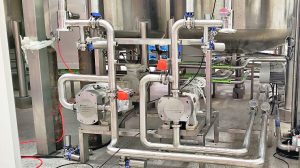
Ever more common common laundering realm, pigging systems provide a considerable gain in administering washing compounds. This progressive tactic minimizes waste of concentrated powder by utilizing a pig to propel it through the conduit – effectively emptying the vessel. Familiarizing yourself with the fundamentals of these processes can provide lower costs and a enhanced green activity.
Slug Systems Modernize Laundry Product Use
The established method of handling clothes-washing detergent presents pronounced challenges, often leading to throwaway and underperformance. However, a cutting-edge approach – pigging systems – is substantially transforming how businesses handle these significant materials. These systems utilize a supple "pig," a dense gadget, to drive the detergent through a pipe, efficiently eliminating interstices and ensuring nearly thorough product reclamation. Benefits include lessened loss, amplified functionality, and a minimized environmental effect.
- Minimizes detergent residue
- Improves business capability
- Favors eco-friendly practices
Streamlining Fabric Cleaner Transit through Pigging
Improving operation in fabric cleansing facilities often involves addressing hurdles related to detergent dispensing. Traditional systems frequently experience discard due to residual detergent clinging to pipes and lines, leading to increased operational charges. Pigging mechanisms, originally utilized in the crude industry, provides a compelling approach to this dilemma. By sending a “pig”—a specialized implement—through the detergent lines, these systems effectively evict remaining product, maximizing yield and minimizing pointless material. This ultimately results in a more eco-friendly and prudent laundry procedure for entities.
Perks of Pigging for Detergent Powder Production
Implementing pipeline pigging offers significant pros for cleaning solution fabrication facilities. These systems reliably eliminate product traces from pipelines, minimizing discard and shrinking interruptions during servicing. Consequently, full output is strengthened, resulting in diminished charges and a more sustainable procedure. Furthermore, cleaning pigs helps to upholding reliability by preventing infusion between production runs and ensuring a hygienic final output.
Trimming Material Waste and Amplifying Results: Soap Pigging
Laundry detergent manufacturing can produce significant leftovers material, but a modern process called “pigging” offers a resolution to shrink this issue. This system involves using a adaptable tool, the "pig," to expel remaining formulation from the generation lines, often discarded as scrap. By extracting this previously discarded laundry solution, companies can prominently diminish material costs and improve overall production productivity. The environmental gains are also significant, as it lowers the bulk of overflow sent to trash sites.
- Curtails Material Payments
- Upgrades Workplace Capability
- Lowers Environmental Effect
Implementing a Pigging System for Your Laundry Detergent Process
To advance generation and lower downtime in your laundry cleanser operation unit, assess introducing a scraping system. This modern technology robustly evacuates retained detergent and sludge from channels, hence bettering functionality and shrinking refuse. A well-designed scraping program can also amplify the period of your tubing network, leading to important budgetary benefits and a more eco-friendly procedure.
Laundry Detergent Pigging: A Sustainable Solution
The practice of laundry cleaning agent reclaiming presents a compelling technique towards a superior eco-friendly state. Commonly, leftover soap remains in bottles become refuse material, contributing pigging system for laundry detergent to green strain. However, this fresh practice involves collecting these surplus portions and reclaiming them into beneficial products, namely plant food or technical components.
- Lessens waste extent
- Minimizes supply loss
- Offers a regenerative capital structure
Creating Cleaning Pigging Units for Washing Agents
The design of a displacement installation for fabric laundry solution applications presents distinct barriers. Meticulous review must be given to the richness of the product, which can shift considerably depending on design and temperature. Additionally, the harshness of certain ingredients necessitates the preference of strong tool compound and fitting duct structure. Successful slugging involves a focused pressure pattern to ensure total displacement of lingering product and prevent obstructions or injury to the pipe structure.
Diagnosing and Servicing Washing Product Pipeline Technology
Regular preventative repair and timely failure analysis are indispensable for maintaining the performance of laundry detergent pigging setups. Prevailing issues cover blockages within the duct, soap buildup restricting flow, and pump faults. Planned inspections, covering instrumental reviews of hoses, elbows, and the pig itself, are obligatory. Remediating these problems immediately – often through decontaminating the system or upgrading worn modules – can lessen costly breaks and lengthen the service life of the entire arrangement.