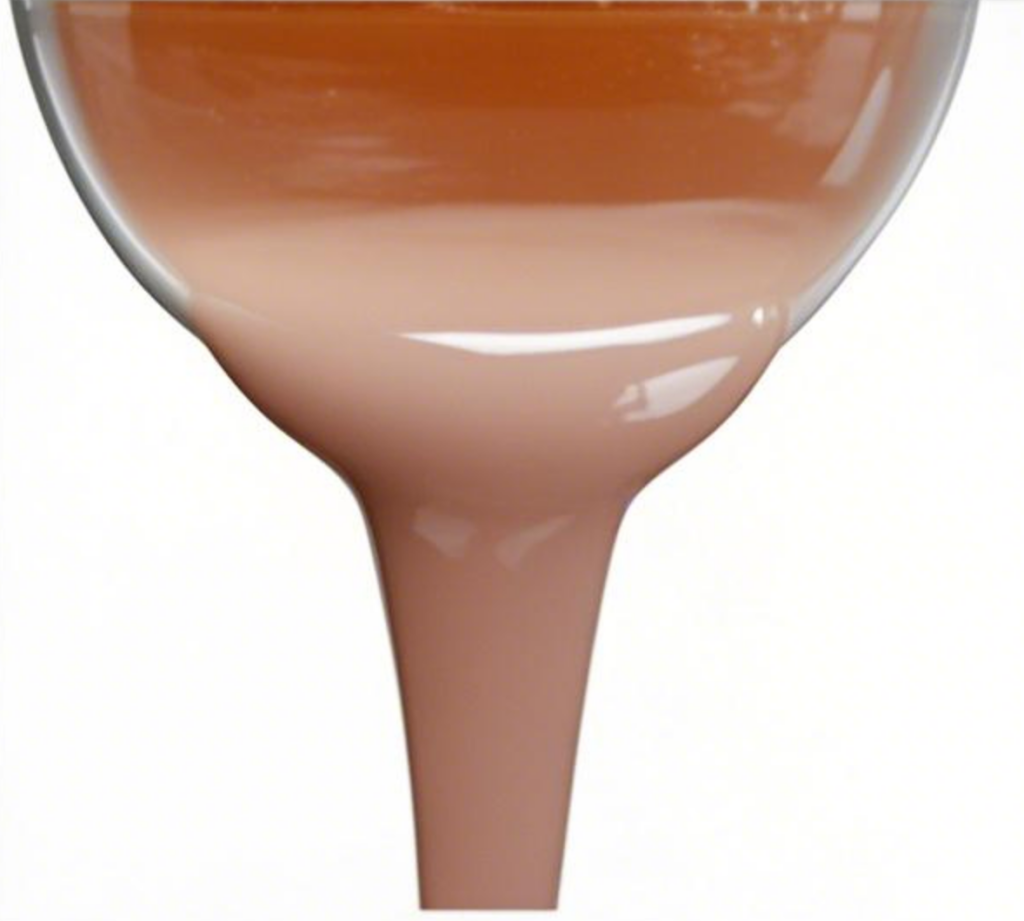
waterproof sealing polymer blend durable acid-resistant sealant formulation?
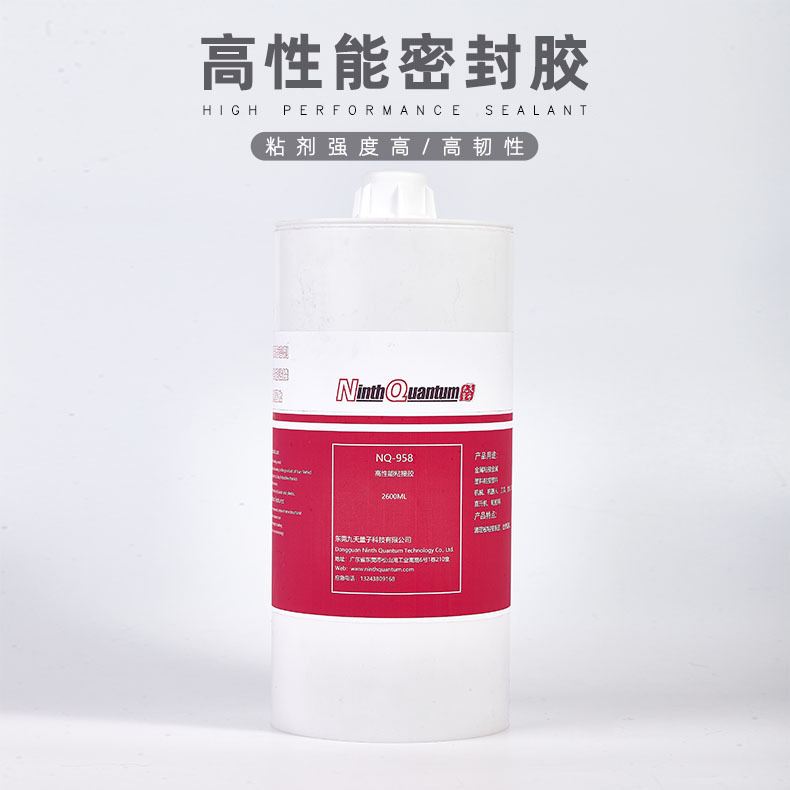
In the challenging domain of electronic enclosure sealing, acid-based sealants emerged as promising fixes as a result of impressive cling characteristics and resistance to severe settings. These mixtures establish durable barriers against wetness, rot, and pollutants. Also, their conformity to various material bases increases the usability in numerous fields.
- Still
- problems remain
- involving acid-formulated barriers.
These hurdles include potential harm to circuit elements and apprehensions on long-term durability under working conditions. In-depth research combined with continuous improvement works to alleviate concerns and upgrade acidic substance utilization in electronics packages
Thermally conductive layers: advancing heat control in tech gadgets
Across the cutting-edge electronics field, heat dissipation commands attention. Given that devices shrink but operate at raised electric density, mitigating overheating risks intensifies. Innovative conduction layers offer high warming removal capacity plus adaptability. These adaptable coatings fit electronic systems to improve heat movement efficiency. In tools including handsets, notebook computers, and wearables, film integration improves power longevity, heightens performance, and assures dependable functioning.
- Conductive layers permit customization in elements and dimension to meet particular temperature regulation goals
- Employing thermal sheets within production chains typically ensures facile integration
- Continuous refinement pushes thermal membrane excellence while broadening practical implementations
Sophisticated PSDM Methods Strengthening Product Durability
In the rapidly transforming innovation sector, augmenting device dependability holds critical status. Technologies like PSDM serve as transformative agents to address this vital concern. PSDM empowers firms to monitor assets proactively, detect emerging faults preemptively, and execute prompt maintenance. Such prescient monitoring meaningfully diminishes downtime, improves function capacity, and prolongs asset operation.
Silicone-Derived Electric Conductive Sealants
The mix integrates silicone resilience and electric transmitting features. Appropriate for use requiring coordinated electric and heat conduction. Besides, withstanding heat, water penetration, and light exposure suits varied commercial and residential demands
- Often implemented in devices, vehicle engineering, and medical technologies
Advanced Acidic Sealants Built for Extreme Environments
Domains struggling with continual wear need durable seals. Our innovative acidic sealant offers superior defense against aggressive acid effects. Constructed from sturdy compounds, this sealing mixture adheres steadfastly to many surfaces, guaranteeing long-term acid resistance
- Notable properties include waterproofing, heat withstanding, and extended functional life
Invest in our elite acidic sealant to maintain dependable barrier integrity under tough demands
Thermally Efficient Sealants Supporting Device Heat Control
In the sectors combining electronics and cooling systems, thermal sealants act as essential elements for managing internal warmth. Such substances offer fine thermal conductivity, optimizing evacuation of heat created within circuitry. By forming dependable bonds between key devices and their cooling units, thermal conductive sealants reduce temperature differentials. Resulting improvements include enhanced performance, sustained dependability, and greater lifespan through overheating prevention.
Determining the right thermal transfer sealant rests on attributes including temperature limits, material interface, and bond requirements. Refinement of conductive thermal agents persistently increases performance, assisting in miniaturized and reliable thermal regulation
Excellent Sticking Abilities of Silicone Sealants Exhibiting Conductivity
The elastomeric conductive silicone products deliver excellent sticking performance on assorted substrates. The remarkable clinging property supports consistent current flow and inhibits separation. Chemical makeup involving conductive additives of silver or carbon enhances adhesion to metals, plastics, and transparent substrates. This durable adhesion contributes to prolonged device operation by safeguarding against vibrational, thermal, and moisture-related challenges.
Acidic Sealant Suitability for Semiconductor Components
Deciding on sealants for semiconductor contexts depends greatly on substrate compatibility. Though acidic sealants offer benefits like superior adhesion and strong grip, they can pose risks to delicate semiconductor parts. Rigorous trials and thorough scrutiny determine appropriate acid-containing sealants for semiconductor materials.
Elements such as acid density, exposure period, and environmental temperature shape sealant efficiency and substrate impact. Executing detailed analyses preserves sensitive semiconductor substrates against degradation provoked by acid compounds
Role of Conductive Films in Device Assembly Processes
Conductive films deliver imperative roles in streaming electrons inside device production. Conductive layers allow steady current streams, upholding proper operation of sophisticated electronics. Conductive films find broad usage across flexible displays, thin-film transistors, sensors, and various microelectronic devices. The films’ capacity to carry current efficiently and remain lightweight renders them ideal for contemporary device fabrication
The characteristics of conductive films are carefully tuned to satisfy precise specifications across applications. A case would be conductivity calibration adjusted to maximize operational performance and reliability. Furthermore, conductive films adhere to surfaces including plastic, glass, and metal broadening flexible technological prospects
- Conductive films offer advantages including flexibility, lightweight design, and cost-effective printing methods
- Their adoption escalates amidst cellular devices, laptop computers, and wearable instruments
- Novel progress concentrates on transparent, pliable, and self-repairing conductive materials boasting better conductance
Evaluation of PSDM Versus Traditional Joining Techniques
In adhesive technology, two predominant methods have gained attention: PSDM and customary bonding techniques. An assessment approaches side-by-side comparison with emphasis on advantages and limitations. PSDM achieves speedy and precise application tailored to fragile materials. Opposing PSDM, traditional techniques rely on physical methods usually producing firm attachment with lengthy times
- The primary advantages of PSDM include flexibility and simplicity of application
- Conventional methods typically achieve stronger adhesion fitting heavy-duty circumstances
Progressive Movements in Acidic Sealant and Conductive Film Applications
The acid-centered sealant and conductive film fields prepare for considerable innovation and expansion. Central trajectories target advancements promoting resilient sealants tailored to severe environments. Concurrently, efforts intensify toward conductive membranes with Acidic sealant enhanced efficiency for broader uses like bendable electronics, sensors, and energy harvesting.Synergy linking researchers and commercial partners facilitates critical progression of new technologies. This strategy of joint innovation delivers tailored acidic sealing and conductive coating technologies addressing broad sector needs